From Our Resources
What Counts as a Pre-Production Sample?
And why skipping it is the most expensive mistake you can make before your first production run.
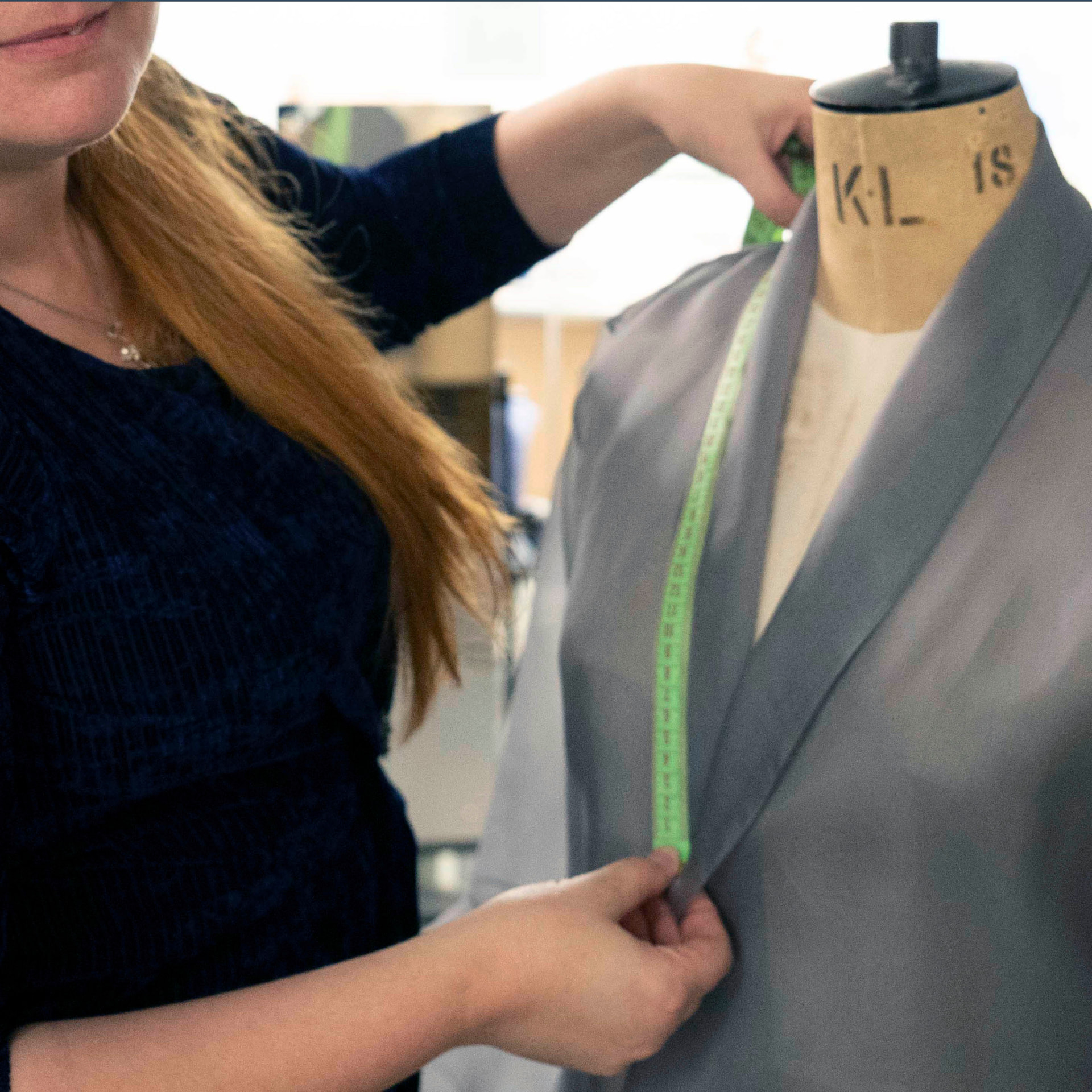
If nobody on your production team has mentioned a pre-production sample yet, one of two things is true: either you haven't placed your first bulk order, or you're working with someone who won't raise it until it's too late. A pre-production sample, generally known as a PP sample, is made in the actual bulk fabric, on the same production line that will make your order, just before the factory cuts the rest of the material. It isn't the sample you approved for fit, and it isn't your prototype either. Treat it as a formality and you'll make the most expensive mistake possible before your first proper production run.
That's where people usually get confused.
You've already tried out a sample, perhaps two rounds, and the garment now fits the model, so you approve it, feel a sense of relief and assume production will follow.
You're not there yet.
A sample that fits shows that your pattern works. It doesn't tell us whether the factory can produce the garment repeatedly, with consistent quality, to your specifications, in the fabric you've supplied. That's what a pre-production sample is for.
It's a gap that newcomers to the industry and start-up brands often only discover later. They understand that a fit sample matters, but nobody has made it clear that there's a separate stage between "the fit is good" and "send it to the cutting table", and that this stage is essential if you want your bulk order to match what you approved.
What Is a Pre-Production Sample, Exactly?
A pre-production sample is the garment your production factory makes on its own production line, using the bulk fabric and trims you've approved, to show it can build your design to specification before a single metre is cut for the full order.
For it to be a genuine PP sample, three things must be true. First, it must come from the factory producing your order, not a separate sample room. Second, it must be made in your actual production fabric and trims, not a substitute chosen to keep the calendar moving. Finally, it must follow the current tech pack, including every previous correction. If any of these conditions isn't met, you don't have a pre-production sample. You have an expensive fit sample with a different label.
Swipe to compare →
| Sample stage | What it proves | Who makes it |
|---|---|---|
| Proto / first sample | The concept and construction approach hold up | Sample room or in-house team |
| Fit sample | The pattern fits and measures correctly at base size | Sample room or in-house team |
| Pre-production (PP) sample | The factory can build to spec in bulk materials | The actual factory running your order |
| TOP (top of production) | The bulk run matches what was approved at PP stage | The production line, mid-run |
If you want to see the full range of sample types on either side of this stage, Techpacker's breakdown of garment sample types is worth a look. And if you haven't put together a tech pack yet, start with what a first design brief needs to cover before you even approach this stage.
5 Pre-Production Sample Review Checkpoints You Shouldn't Miss
A pre-production review should look at five things: construction against the tech pack, measurements against the graded specification, materials, labelling and compliance, and workmanship. If you rush it because you're behind schedule, you won't save time. You'll simply delay finding the problems until the most expensive stage to correct them: after the fabric has been cut for the entire run.
Here's something factories don't always tell you. If the specification is unclear, or a correction from three weeks ago hasn't made it into the tech pack, the machinist won't call you to ask. They'll make a decision and carry on. You only discover what they decided when the sample lands on your desk.
On a first order this matters even more, because you haven't yet built a track record with the factory. CLO-SET has set out the full technical checklist for reviewing a PP sample. Our short version: measure before you look. Decide whether the garment is within specification before you judge how it looks on the stand, especially at the largest and smallest sizes, because that's where grading problems tend to hide.
What We Check Before We Approve a PP Sample
- The construction follows the tech pack: seam types, stitch density and closures exactly as specified, not as remembered.
- The measurements are within tolerance at every point, not just the easy ones.
- The fabric and trims are the actual bulk items, not a convenient substitute.
- The labels are accurate and correctly placed: care, content, size, brand and origin.
- The workmanship is up to standard. Pressing, finishing and symmetry are what separate something technically correct from something sellable.
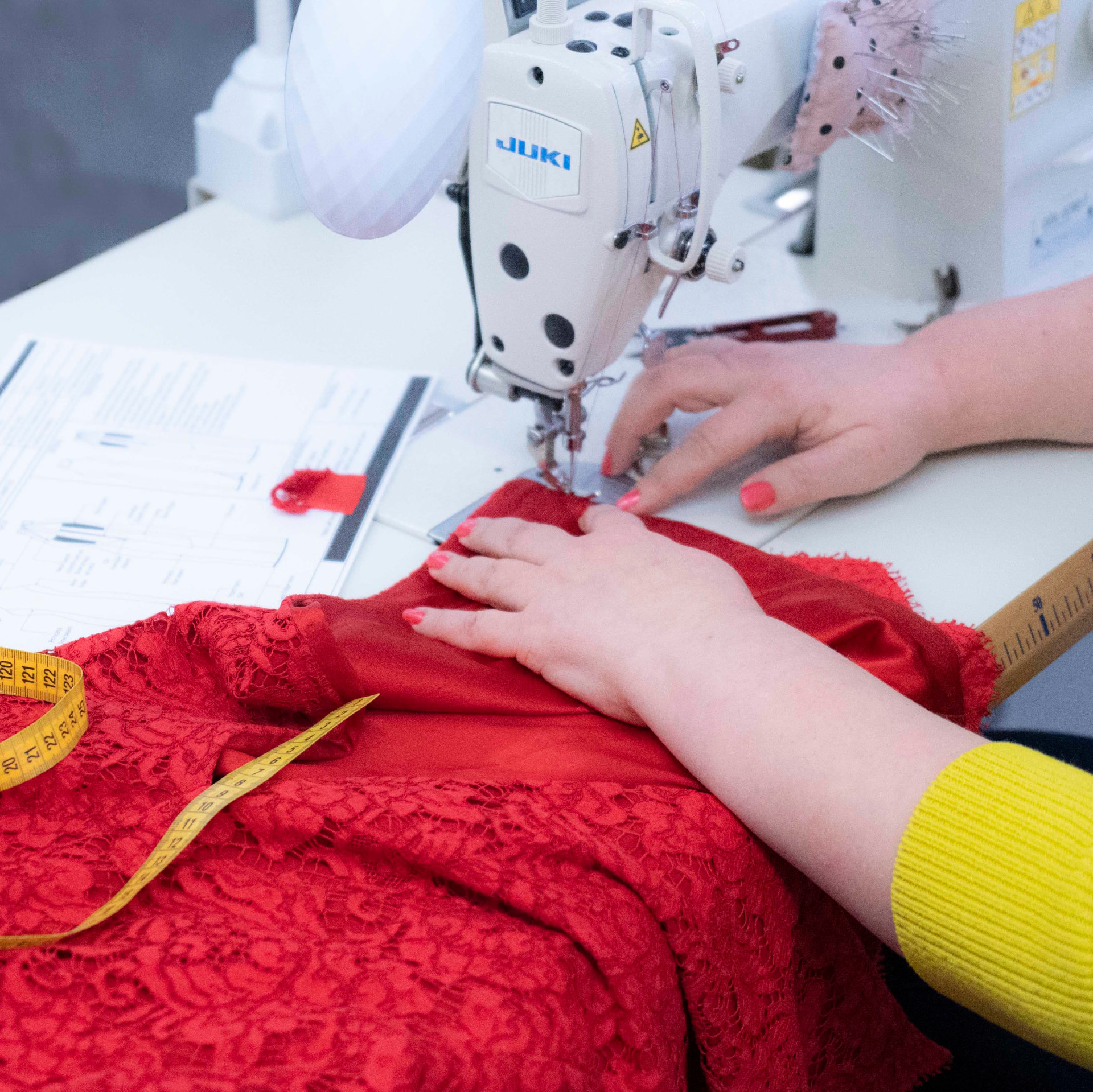
We only move to bulk cutting once we're completely sure every measurement is within tolerance. For each sample, we record our decision (approved, approved with conditions, or rejected) along with a list of the changes needed. That single habit stops more problems reaching bulk production than anything else we do.
If nobody has explained to you what a pre-production review actually involves, that's exactly the conversation we have on a Discovery Call. Book a Discovery Call and we'll look at the checks your factory should carry out before your fabric is cut.
What It Looks Like When This Gets Skipped
Two seasons ago, a designer came to us with her first wholesale order already secured and eight weeks until delivery. She had approved a fit sample with her previous manufacturer, had been told production was "basically ready to go", and had no pre-production stage planned.
Because the deadline was tight, before accepting the order we had to confirm that she had the bulk fabric and that her patterns had been finalised and tested on it. It turned out the pattern hadn't been tested on the bulk fabric at all. The fit sample fabric had come from a different, cheaper supplier. It looked similar, but the weight and weave density were different, and that changed the drape.
We spotted the issue from a single pre-production sample, adjusted the pattern, checked the correction on a second small sample, and started bulk cutting four days later than planned. On an order of 240 units, finding the same problem at delivery would have meant remaking a quarter of her production and missing her wholesale deadline.
Catch It at One Sample, Not Across the Whole Order
A pre-production sample isn't just a box to tick before bulk production. It's your only chance to catch a problem while it's still limited to one sample, rather than spread across the whole order.
If you're launching your first collection and would like someone to go through what your factory should be checking, book a Discovery Call and we'll go over it properly.
Founder, CMT Studio
Published 26 September 2026
Share This Article
Further Reading
Join Our Newsletter
Subscribe and Get 30 Minutes Instead of 15
Sign up for occasional studio updates and resources content. As a thank you, your first Discovery Call is extended to 30 minutes instead of the standard 15.
No spam. Unsubscribe anytime.