From Our Resources
Why Minimum Order Quantities Exist in Clothing Production, and Why Ours Stays Low
Twenty years of watching brands hit the same wall, explained properly, without the sales pitch.
Introduction
You've found the fabric, sketched the design, you're ready to go. Then a factory quotes their minimum: five hundred pieces, per colour. Suddenly a small first collection needs a budget you didn't have, for a lot more stock than you're actually ready to sell. It's one of the most common walls a growing brand runs into, and it's rarely explained well, or explained at all.
Why Factories Set a Minimum in the First Place
It's easy to assume a high MOQ just means a factory being difficult, but there's usually something real sitting behind the number. Setting up a production line takes roughly the same time whether you're making twenty pieces or five hundred, so a small run can genuinely cost a factory money on labour alone. And when a factory sources your fabric for you, which is how fully factored production works, they're often bound by whatever minimum their own fabric mill sets, sometimes a hundred metres or more before a single garment's even cut. That mill minimum tends to get passed straight on to you, dressed up as "our MOQ." If you're working with a factory elsewhere and that number feels too high to move, Carlotta Gherzi has a good guide to negotiating it down. For a broader look at why suppliers set minimums generally, NetSuite has a clear explainer on the underlying economics.
Why Ours Stays Low
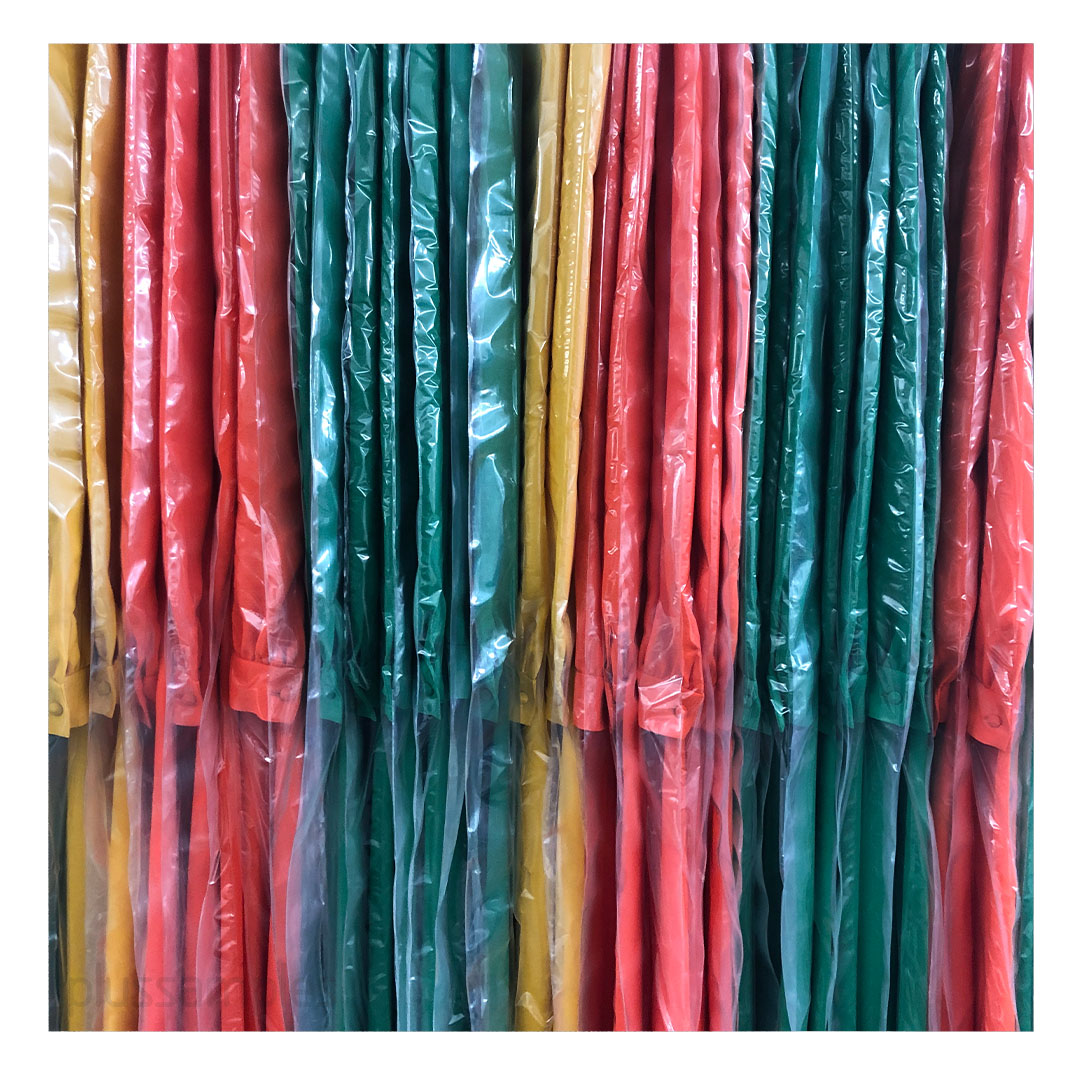
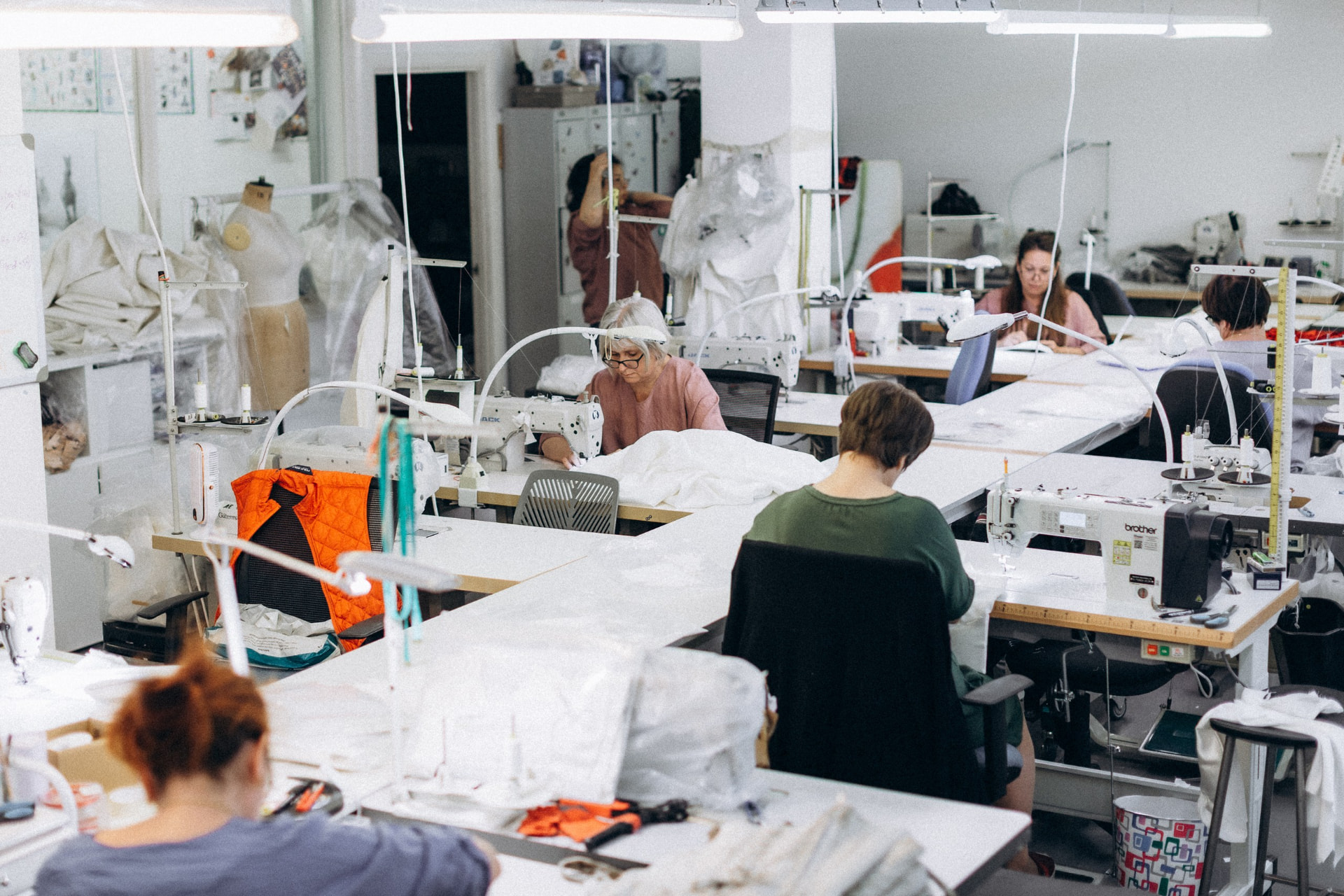
We work a little differently, and it's worth explaining why, because it's honestly not down to generosity, it's just how the CMT model happens to work. You bring the fabric, we bring the labour and the machines. Since we're never the ones placing a fabric order, we're never waiting on someone else's minimum either. That's the real, unglamorous reason our own minimum sits at four pieces per style and colour, across two sizes, and drops away completely for bridal. The usual reason factories need volume just doesn't apply to us the same way.
What That Actually Means for You
In practice, it means you can test a genuinely small run here rather than committing to hundreds of units you're not sure will sell yet. It's also part of why we work well for brands still finding their feet, you get to prove a design works before you're asked to bet big on it. If you're weighing this up alongside a higher-volume factory elsewhere, Maker's Row has a good rundown of practical ways brands work with minimum order quantity manufacturers generally.
Founder, CMT Studio
Published 28 August 2026
Further Reading



Join Our Newsletter
Subscribe and Get 30 Minutes Instead of 15
Sign up for occasional studio updates and resources content. As a thank you, your first Discovery Call is extended to 30 minutes instead of the standard 15.
No spam. Unsubscribe anytime.