From Our Resources
What Nobody Tells New Brands About Cash Flow Before Production Starts
The gap between a balance that looks fine and one that actually is, and what we've learned from standing on both sides of it.
Introduction
There is a particular feeling that every brand owner knows. You check the account, the balance looks healthy, and for a moment everything feels fine. Then you look at what is due out next week. Suppliers, wages, a deposit on the next order. The number that looked so reassuring a minute ago suddenly does not stretch nearly as far.
This article is not a lecture on budgeting. It is about what actually happens to your cash once production starts, why the gap between looking fine and being fine catches so many brands out, and what we have learned from sitting on both sides of that gap ourselves.

What the First Five Years of Running a Studio Teaches You About Cash Flow
When we started Cut Make Trim, we were not just managing other people's production. We were managing our own. And the first five years taught us something that no business course ever quite captures: a positive balance after the studio wages were paid was genuinely a cause for celebration.
Not a big celebration. A quiet one. The kind where you notice the number, breathe out, and get on with the day.
There were weeks where covering a machine repair meant taking the bus instead of the tube and cutting down on the morning coffee. Small things. But they added up, and they bought time. Time to get an order out the door. Time to pay a supplier before they started asking questions. Time to breathe.
We are on a different end of the fashion business now, but the reality has not changed. Every brand we work with, from a designer building their first small collection to an established label scaling into new markets, is having some version of this same conversation with their bank balance. We know because we have had it too.
That is why this matters to us. Not as a talking point, but because we genuinely understand what is at stake when you are deciding whether to commit to a production run.
Why We Understand What a 50% Deposit Really Means to You
A 50% deposit can look like a hurdle on paper. In practice, it is one of the most honest parts of how production works, and it exists for a reason that protects you as much as it protects us.
Here is what it actually means. Once you pay the deposit, your fabric gets ordered, your trims get sourced, and your slot in production gets confirmed. Nothing is vague. Nothing is left to "we will sort it out later." You know exactly where your money has gone and what it has bought.
We tell clients this plainly because we have been the ones waiting on a deposit to come through before we could place a fabric order ourselves. We know what it feels like when money is tight and a 50% commitment feels like a big ask. We also know that the alternative, starting production without that commitment, creates far bigger problems for everyone involved. That's also part of why the production route you choose matters, not just the deposit itself. Half-funded production has a way of stalling, and a stalled order costs more than a deposit ever would. UK manufacturers have also seen brand payment terms lengthen in recent years, which is why a confirmed deposit before fabric is ordered is not optional.
So when we ask for 50% upfront, it is not us being cautious about you. It is us being honest about how production actually works, because pretending otherwise would not help either of us.
Wholesale, D2C, or Both? Why Each One Moves Your Cash Flow Problem, It Doesn't Solve It
If you sell wholesale, you are probably familiar with this one. A boutique or department store places a confirmed order. You produce it, ship it, and then wait. Most retailers work on Net 30 to Net 60 terms, sometimes longer in practice. So you have already paid for fabric, labour and production, and now you wait another month or two before that money lands back in your account.
Selling direct to your own customer feels different, and in some ways it is. The payment lands the moment someone buys. No waiting, no chasing. But here is the catch. You had to fund that stock before you knew for certain it would sell. That is the working-capital bind the British Business Bank describes for small firms, inventory has to be paid for before any sale comes in. You are guessing at demand and producing against that guess, which means the money goes out long before you have any certainty it will come back in.
Neither model removes the cash flow problem. Wholesale gives you certainty about what will sell, but makes you wait to be paid for it. D2C gives you faster payment, but no certainty until the stock is already made and sitting there.
This is where it gets genuinely tricky, and it is not something most brands run into in year one. It tends to show up in year two or three, once a brand starts doing both at the same time. Now you are not managing one cash flow rhythm. You are managing two, running on different clocks, and they rarely line up neatly. The wholesale payment that is meant to fund your next D2C production run might land three weeks later than you hoped, right when you needed it.
Almost every brand we have worked with that runs both channels has hit this at some point. It is not a sign you are doing something wrong. It is simply what happens when two different payment timelines exist in the same business.
What We'd Want to Know If We Were Starting Again
If we could go back and tell our younger selves one thing about production and cash flow, it would be this: plan around the gaps, not the totals.
A few things that would have helped us, and that we now share with every brand we work with before they book in, as a clean list with bold lead-ins:
- Know your real timeline before you commit. Ask not just "how much will this cost" but "when exactly will each payment leave my account, and when will any money come back in." Map it on a calendar. The picture often looks very different once it is written down.
- Sequence your orders with the gap in mind. If you know a wholesale payment is six weeks out, do not plan a second production booking that needs funding in week three. It sounds obvious written down. It is much less obvious when you are excited about a new collection and want to move quickly.
- Talk to us early, not after the deposit is due. This is the one piece of advice we would give every brand, without exception. If your timing is tight, tell us before booking, not after. We would always rather adjust a schedule by two weeks than have a client lying awake worrying about whether the deposit will clear in time. We have been there. We would much rather help you avoid it.
- Remember that estimates are estimates for a reason. Development costs can shift depending on how many rounds of alteration a sample needs. Final production pricing is confirmed once the pre-production sample is approved, not before. Build a small buffer into your plan for this, because it is normal, not a sign anything has gone wrong.
None of this makes cash flow simple. Nothing does, really. But understanding where the gaps sit, and having a manufacturing partner who has stood exactly where you are standing, makes a real difference.
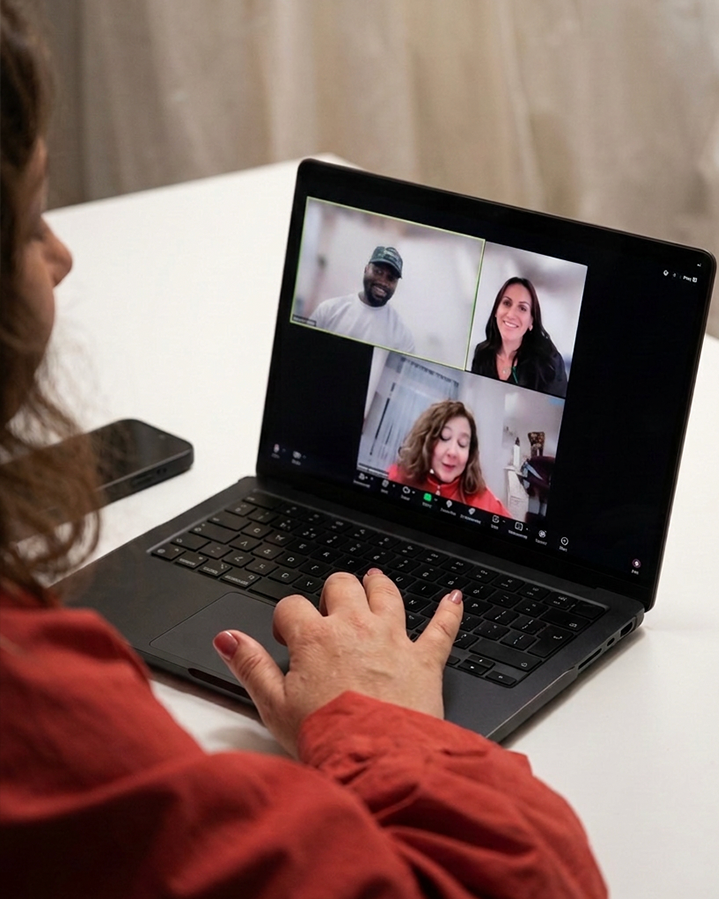
If you are planning a production run and want to talk through timing before you commit to anything, we would genuinely like to hear from you. Book a complimentary discovery call with us, Zoom is easiest for a first conversation, and we can map out what your timeline could look like together.
Founder, CMT Studio
Published 9 September 2026
Further Reading




Join Our Newsletter
Subscribe and Get 30 Minutes Instead of 15
Sign up for occasional studio updates and resources content. As a thank you, your first Discovery Call is extended to 30 minutes instead of the standard 15.
No spam. Unsubscribe anytime.