From Our Resources
Garment Quality Control: 3 Beliefs That Quietly Cost Fashion Brands Money
Most quality problems in garment production aren't caused on the day the goods are packed. They're caused weeks earlier, by a tech pack nobody could follow, a fabric delivery nobody checked, or an instruction that only ever existed in a phone call.
In over twenty years of manufacturing, we've heard the same three beliefs again and again from brands who'd had a bad production run. Each one sounds reasonable. Each one costs money.
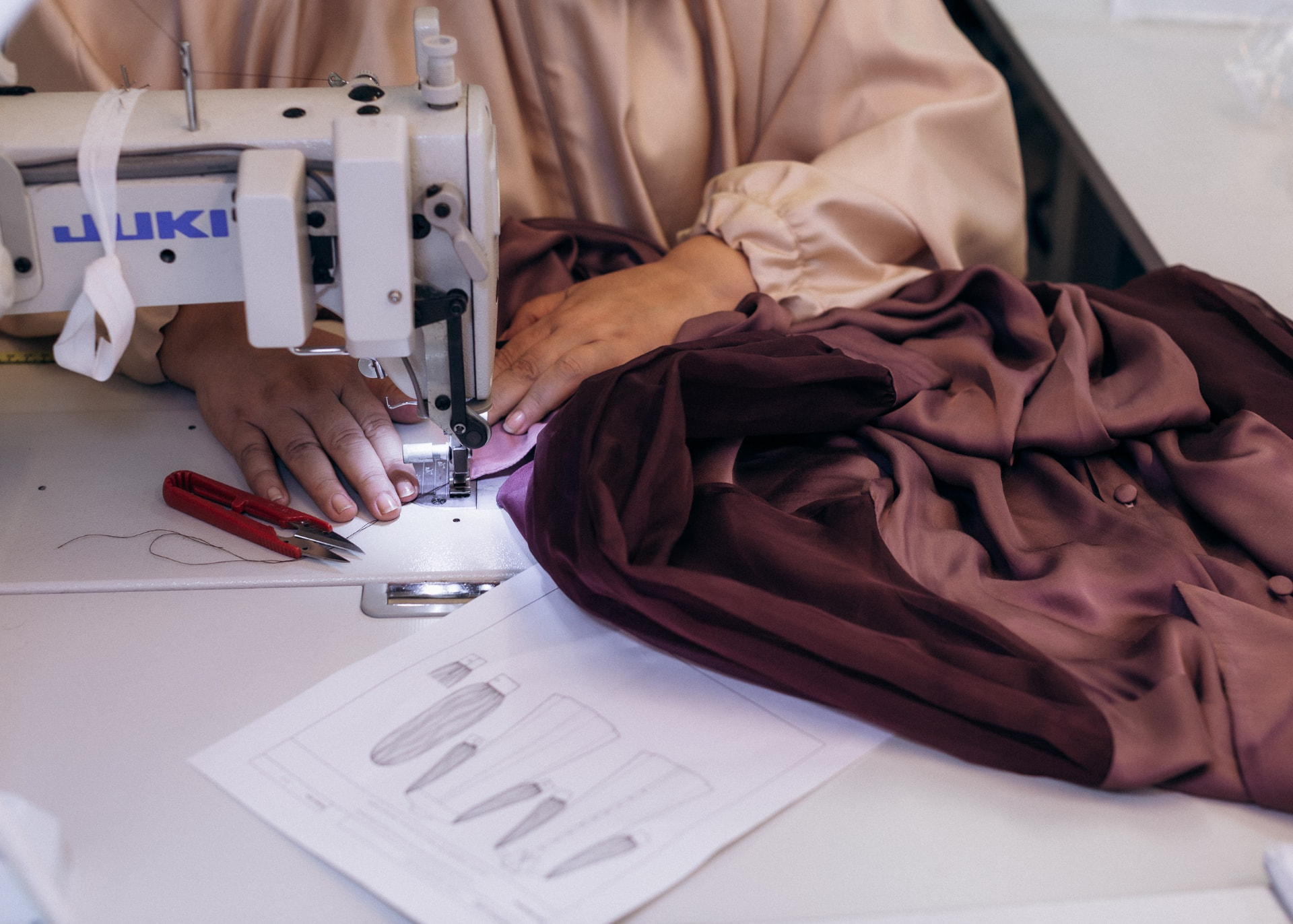
Belief 1: "Factories never check tech packs"
We hear this one a lot, usually from someone who's been burned. The logic goes like this: the factory won't read it properly anyway, so why spend time getting it right?
Here's the trouble. If you treat the tech pack as a formality, without thinking through the details and how each one will be put into practice, your manufacturer will fill the gaps with their own judgement. Sometimes that works. Often it doesn't, and you won't find out until the garments arrive.
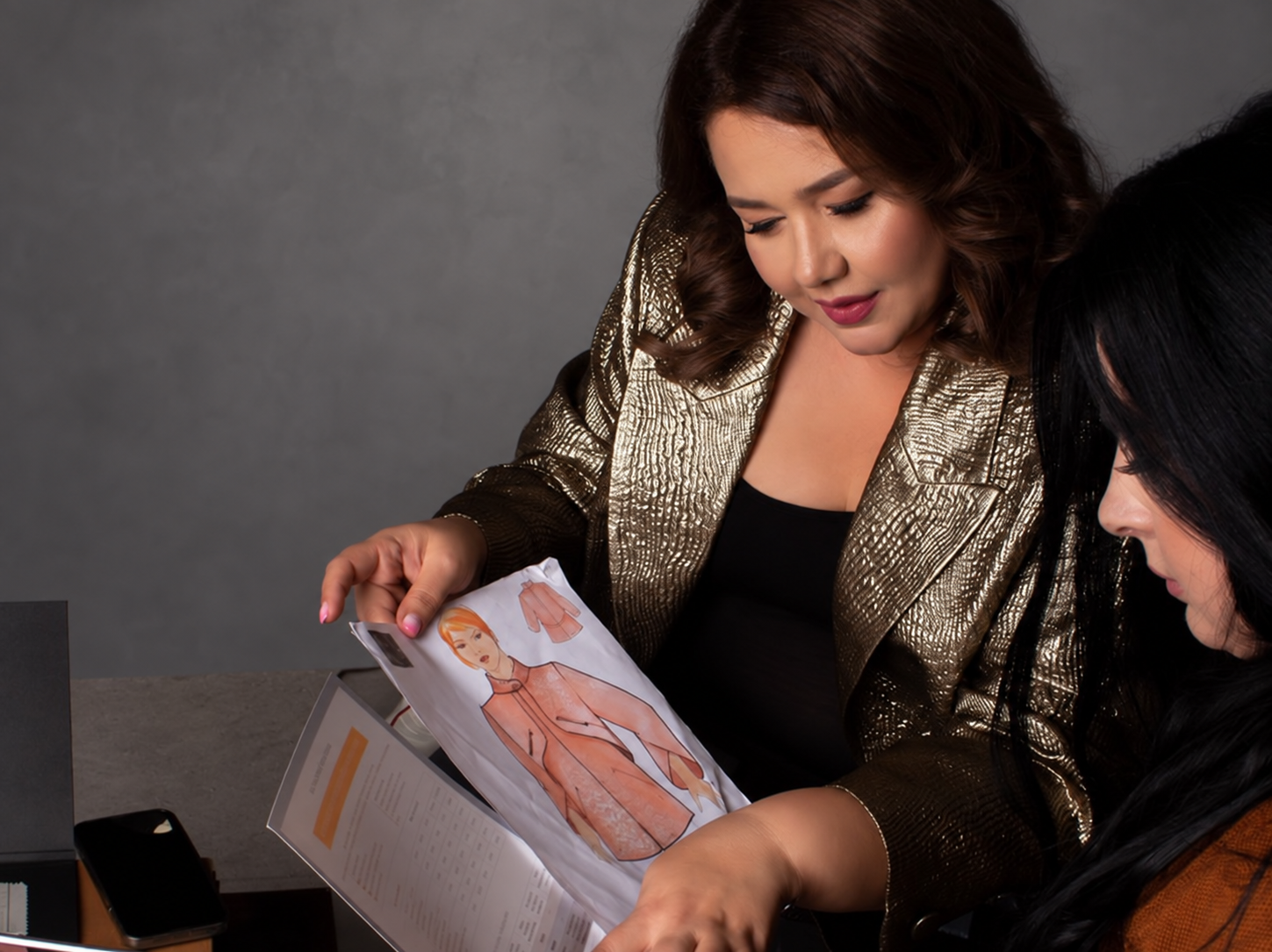
A tech pack is a set of essential instructions. The better question isn't "will they read it?" but "can they understand it?" Before you send yours, check three things:
- Is it up to date? The version on file should match the sample you approved, not the one you started with. Every change made during sampling needs to go back into the tech pack.
- Is it concise and easy to follow? Forty pages of reference images and conflicting notes are harder to work from than ten clear ones.
- Can your manufacturer actually understand it? Clear measurements, construction details and callouts. If a machinist would need to ring you to ask what something means, it isn't finished.
Belief 2: "QC happens when the goods are ready to ship"
This is probably the most expensive belief of the three.
By the time your order is finished, every metre of fabric has been cut and every seam sewn. If something is wrong at that point, your options are narrow: accept it, remake it, or argue about who pays. None of them are good, and all of them push your delivery back.
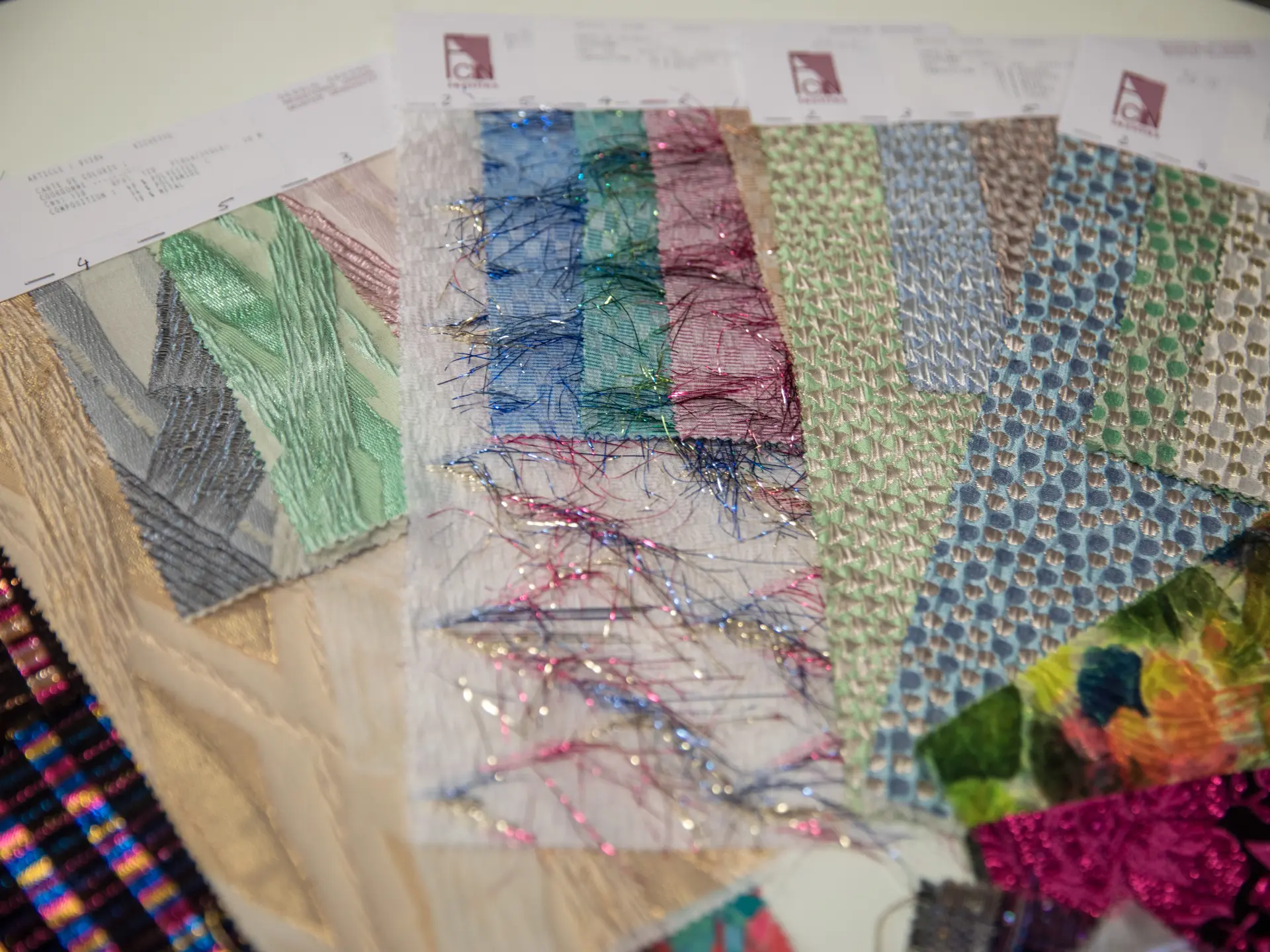
Quality control starts much earlier. It starts when the tech pack is written and when raw components arrive at the studio. Fabric, lining, interfacing, zips, lace and labels should all be checked on delivery, against what was ordered, before anything is cut. A wrong shade of lining caught on the day it arrives is a phone call to the supplier. Caught after production, it's a remake.
QC only works when it's followed through at every stage, from the first tech pack to the final press. A final inspection still matters. It just shouldn't be the first time anyone looks.
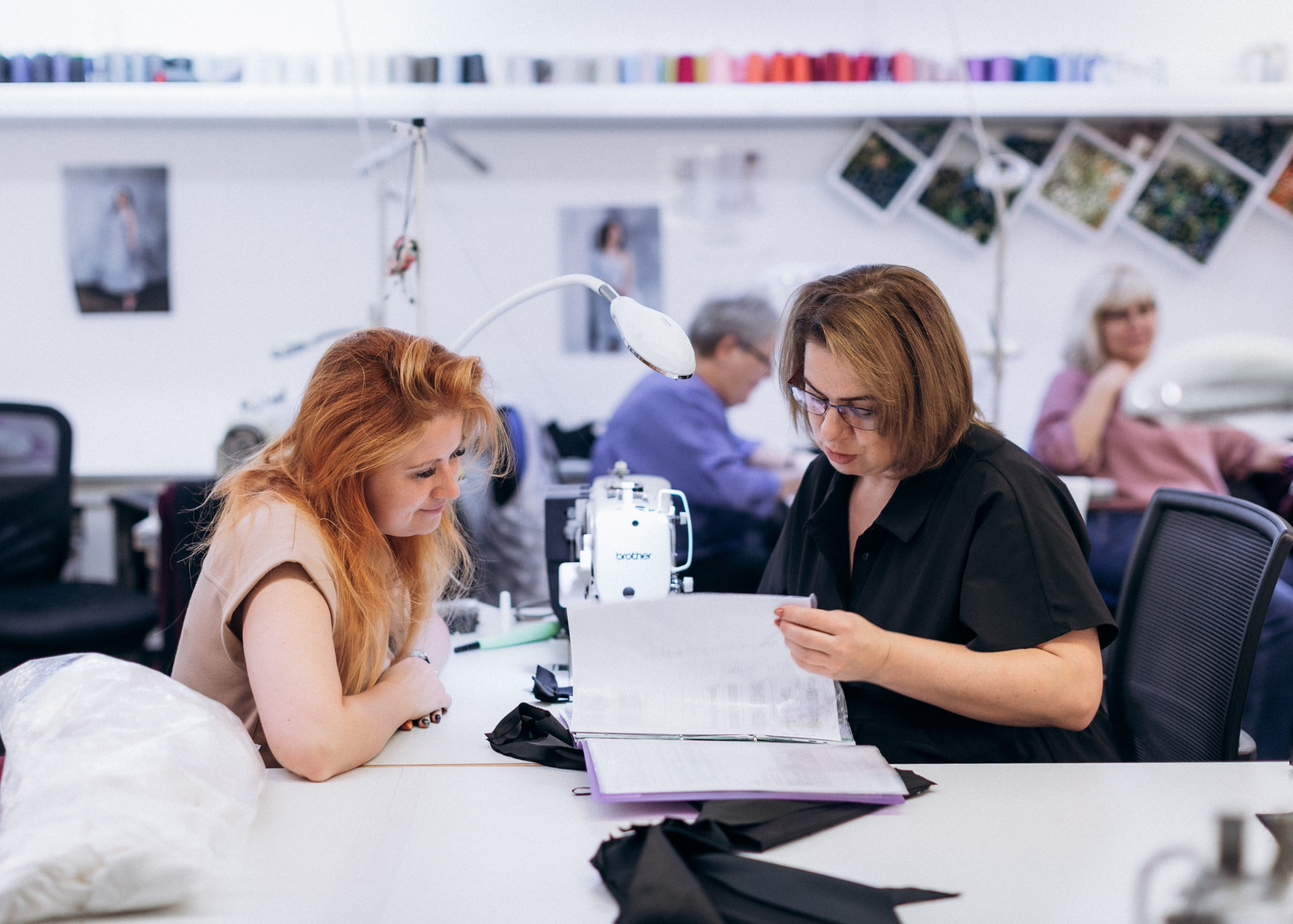
Belief 3: "My manufacturer is solely responsible for the quality of my production"
Not quite. Your manufacturer is responsible for making the garment well. But they're making it to your instructions, and the standard they're working to is the one you set.
If that standard isn't written down, it doesn't really exist. "Make it look expensive" means something different to every person who hears it. You might be lucky and land on a manufacturer whose idea of expensive matches yours. But we don't want lucky. We want control and predictable results.
Your instructions reach your manufacturer through four routes:
- Tech pack
- Patterns and samples
- Purchase orders and delivery notes
- Verbal instructions and emails
The last one causes the most trouble. A detail agreed over the phone and never confirmed in writing is easy to lose, especially across a long production run or a change of staff. If you've agreed something verbally, follow it up with a short email the same day. It takes two minutes and saves a lot of disagreement later.
Communication is also easier when your suppliers are close to hand. We explain why in Fabric Sourcing in the UK: Why Small Brands Should Start Locally.
Making your standards clear doesn't mean you don't trust your manufacturer. It's what lets a good manufacturer do their best work for you.
Always Make a Pre-Production Sample
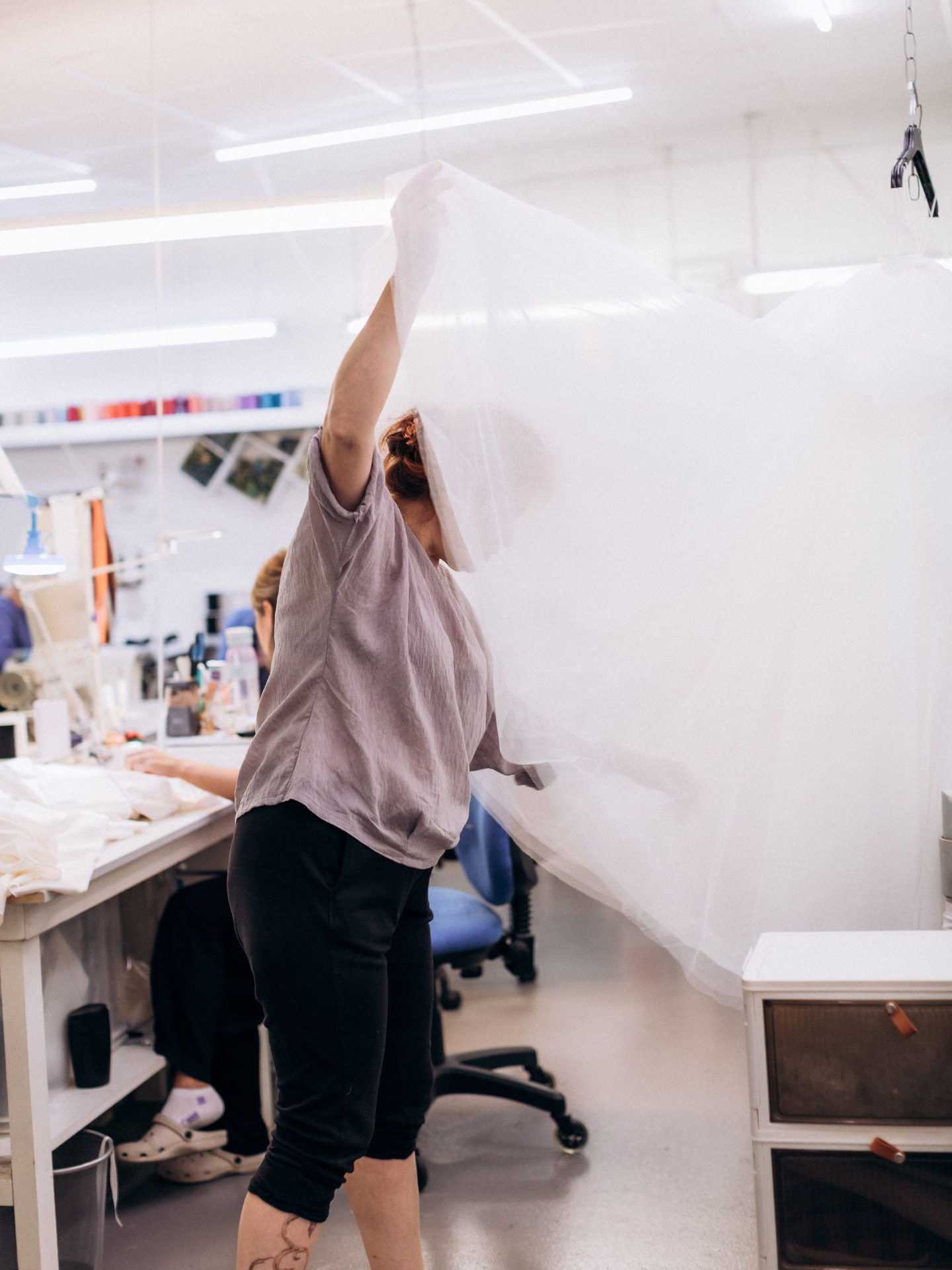
If you take one practical step from this article, make it this one. A pre-production sample, sometimes called a PP sample, is made in the final fabric and trims, using the final pattern, before the bulk order starts. It lets you:
- Make sure the manufacturer can produce the quality you need. You see their work on your garment, not a showroom piece.
- Get reassurance on timescale. If the sample runs late or needs several corrections, that tells you something about the bulk order.
- Confirm the correct cost of the garment. Making time on a real sample is far more reliable than an estimate from a sketch.
- Double check the use of raw materials and components. Right fabric, right direction, right trims, right placement.
It can feel like an extra step when you're keen to get into production. In practice, it's the cheapest insurance you'll buy. Measure twice, cut once.
How We Handle Quality Control at CMT Studio
We don't just talk about quality control. We build it in stage by stage, starting from the moment fabrics and raw materials are delivered.
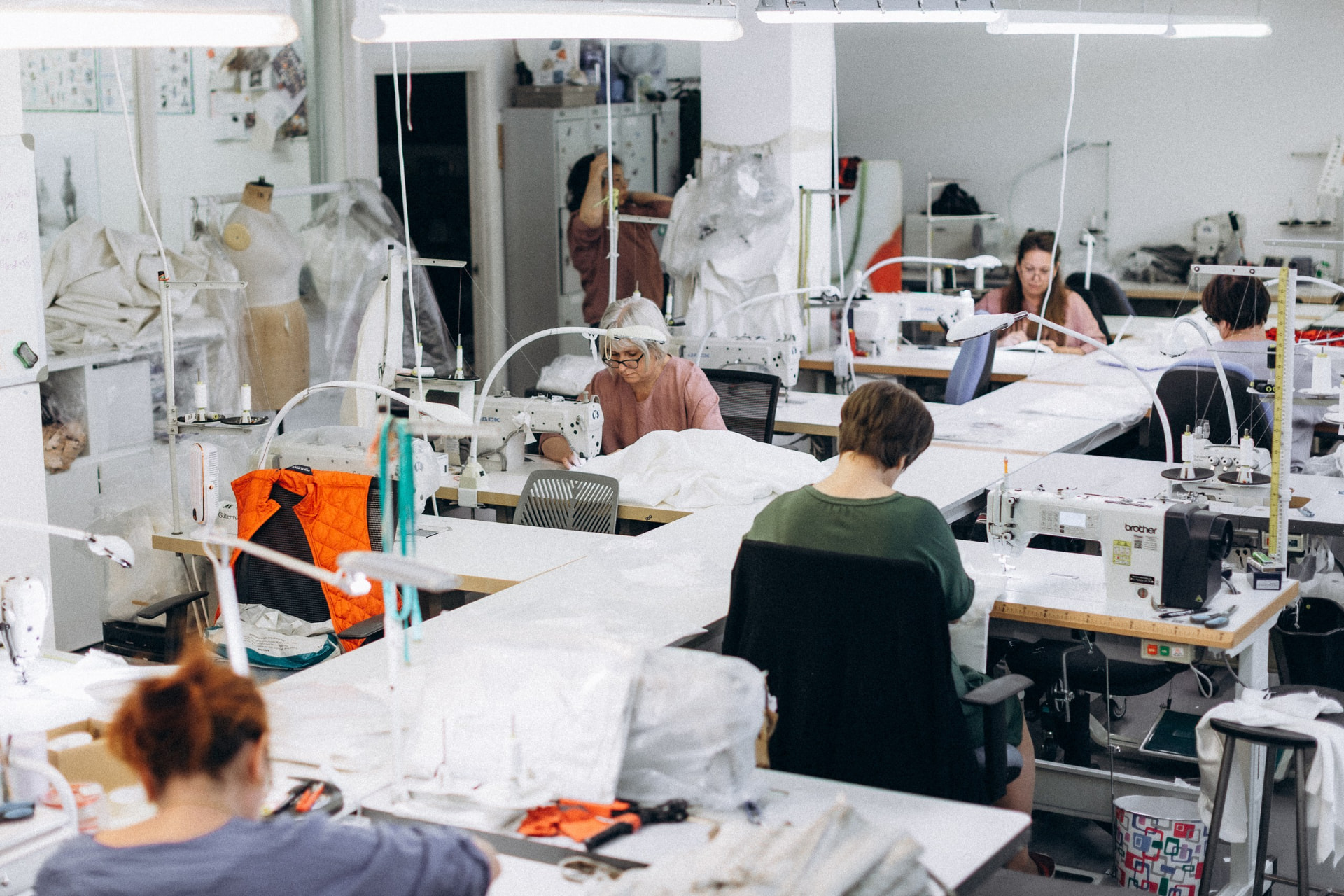
Our tech packs actually live on the factory floor. They're passed around and read by our cutters, machinists and QC team, not filed away in an office.
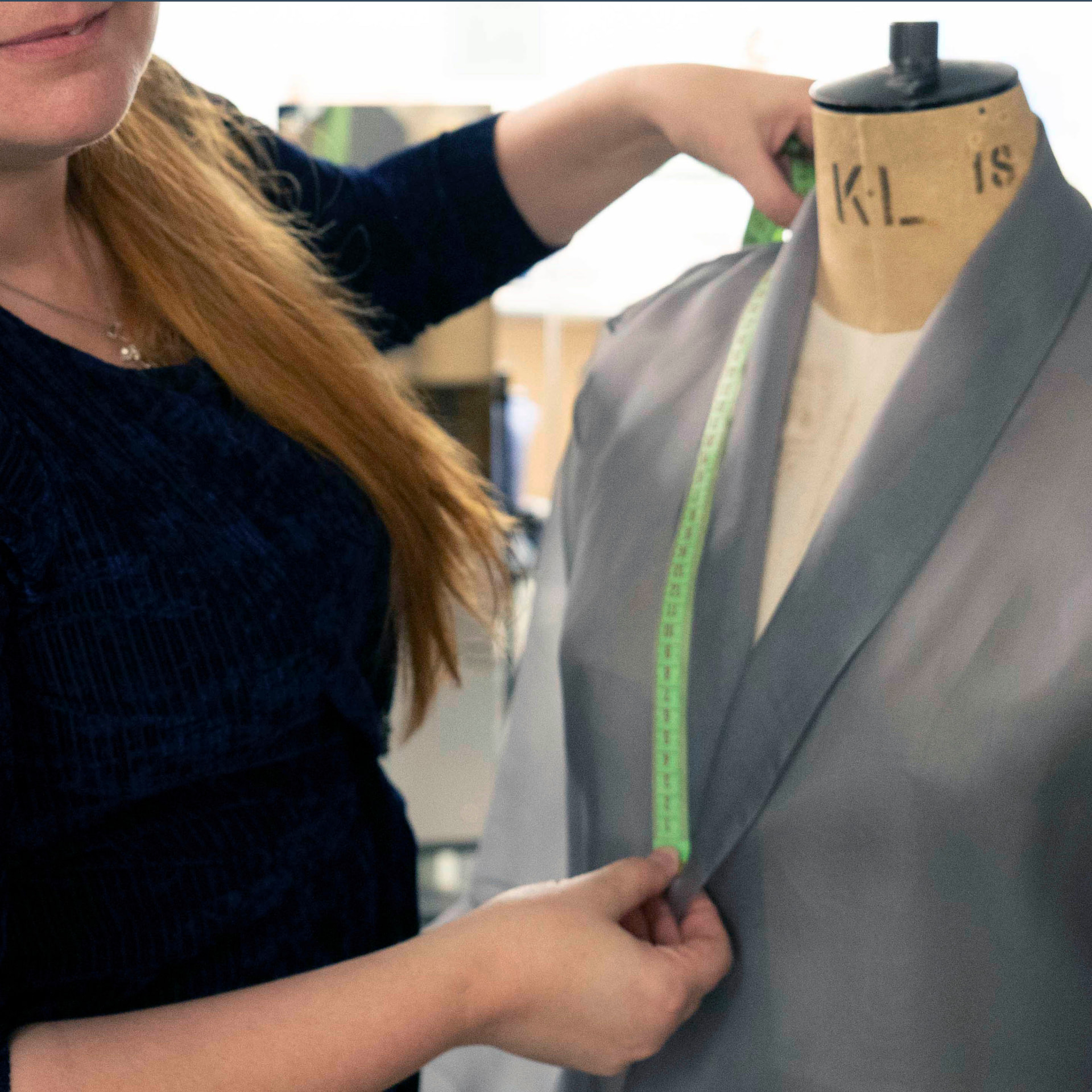
Garments are measured during production, not after it. Once a run is finished, correcting measurements is too late.
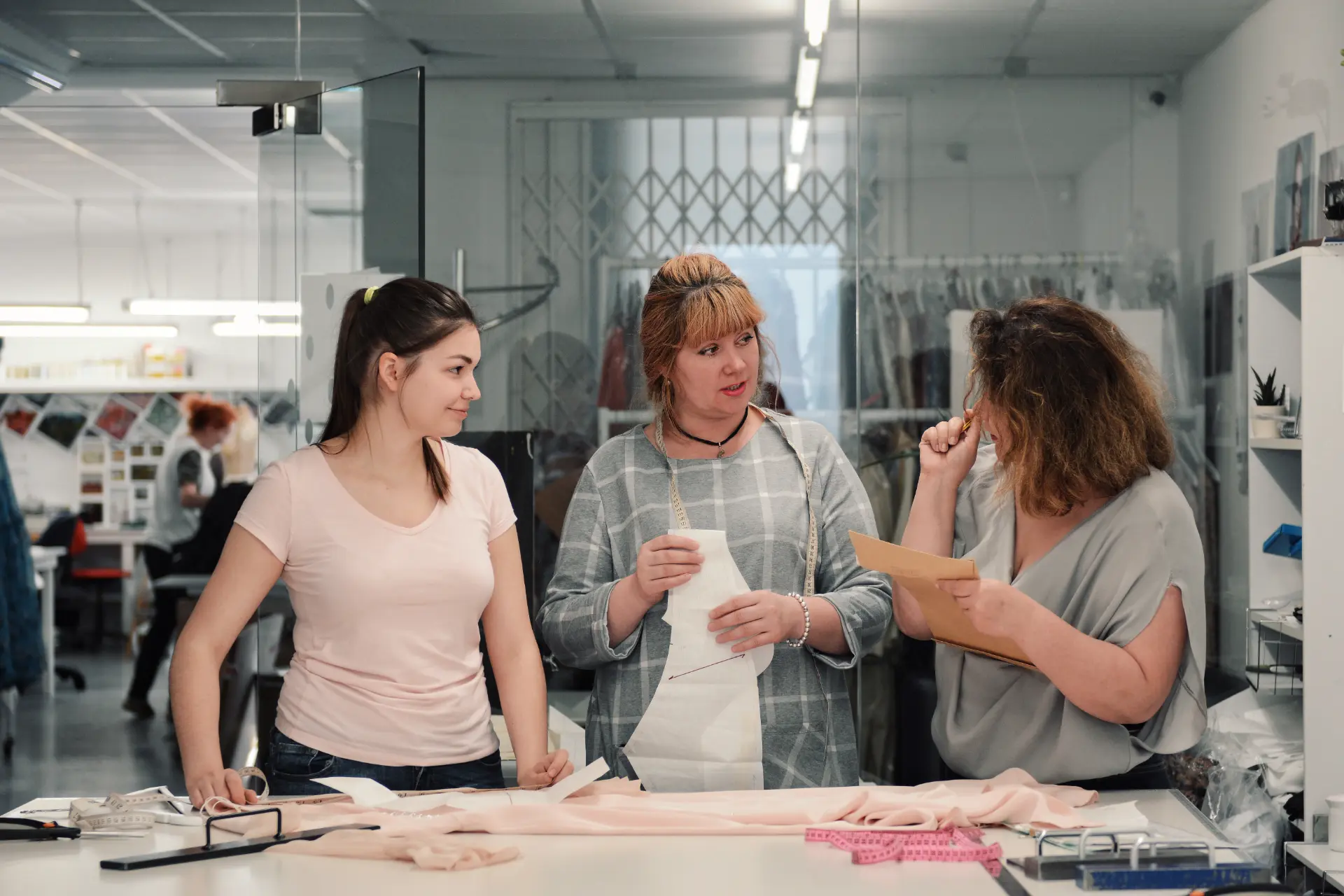
Your Production Is Your Responsibility
That might sound tough. It's meant to be freeing. Once you accept that you set the standard, you stop hoping for a good result and start building one.
Write a tech pack your manufacturer can follow. Check your components when they arrive. Make a pre-production sample. Put verbal agreements in writing. Do those four things and most quality problems are solved before a single garment is cut.
Planning your next production run?
Take our quiz to see whether CMT Studio is the right fit for your collection.
Prefer to talk it through? Book a complimentary Discovery Session
Further Reading




Join Our Newsletter
Subscribe and Get 30 Minutes Instead of 15
Sign up for occasional studio updates and resources content. As a thank you, your first Discovery Session is extended to 30 minutes instead of the standard 15.
No spam. Unsubscribe anytime.