From Our Resources
The Hidden Truth About Luxury Ready to Wear Production: Why Product Development Teams Deserve More Recognition
Everyone admires the runway show, but as one of the leading UK manufacturers specialising in garment production, we see the extraordinary work that happens behind closed doors. We've created collections for many household names for major catwalk shows, and we know how rarely anyone sees the product development teams who turn a creative vision into the pieces on the runway and on boutique rails across London and beyond.
In the luxury fashion world, there's a fascinating disconnect between perception and reality, on many levels. What happens behind the scenes often surprises newcomers. Customers, and even people inside the industry, see the finished piece: the perfectly tailored blazer, the beautifully draped dress, the precise seams. The real work happens earlier, in product development. That's where a creative idea meets manufacturing reality and becomes something a customer can actually buy and treasure.
As manufacturers in London who work closely with luxury startup brands, we've seen first hand how misunderstandings about product development can make or break a collection. The most successful brands we partner with understand that their product development team isn't just a support function. They're the architects of possibility, the guardians of quality, and often the saviours of impossible deadlines. They also work out how much production will cost, and find the most efficient way to make each garment without compromising on quality.
Myth One: "Luxury Is Slow"
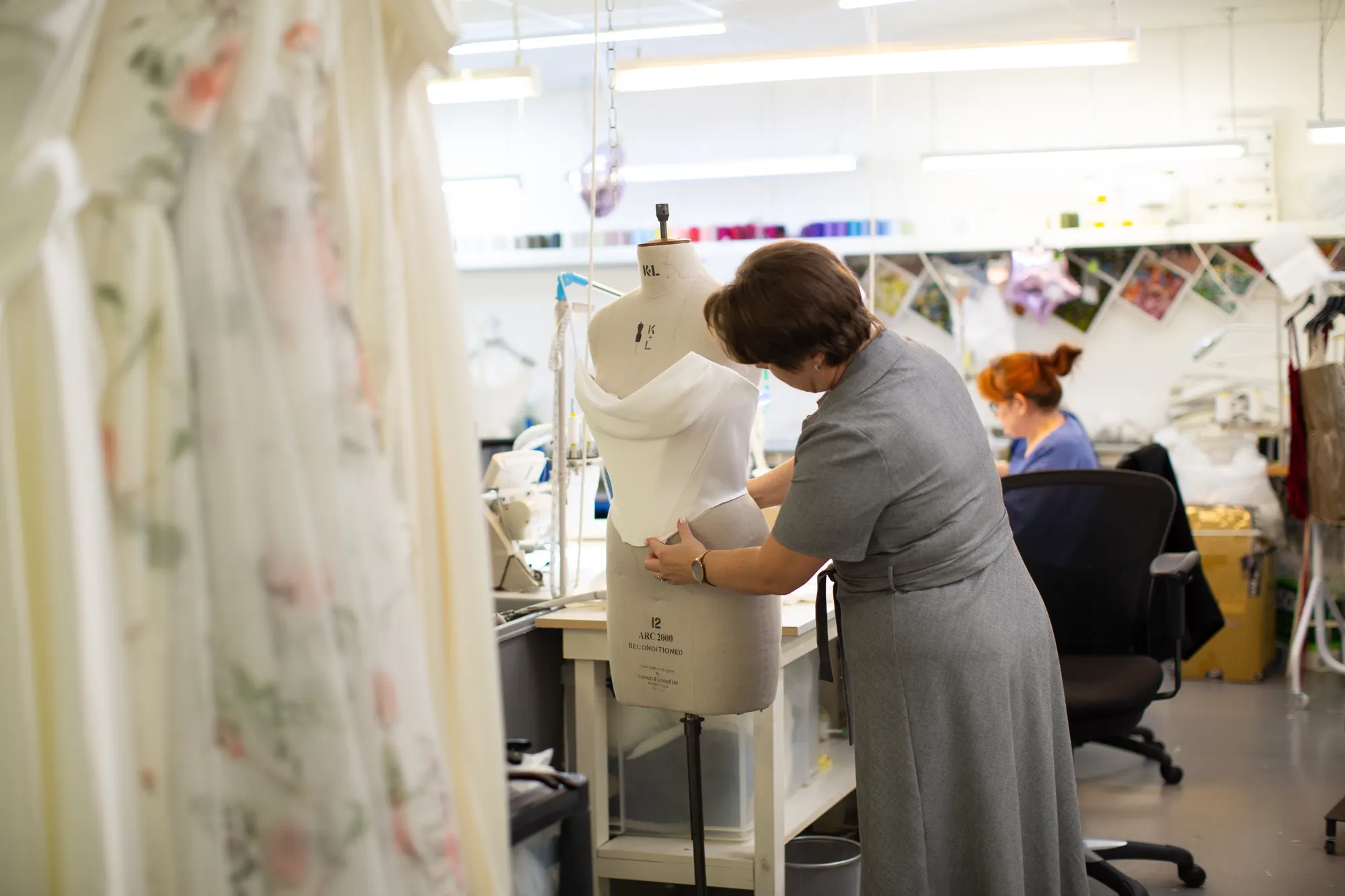
Perhaps the most widespread misconception in luxury fashion is that there's plenty of time to develop a collection. There isn't. Luxury brands still work to a sales calendar, with fixed dates for shows, exhibitions and retail deliveries.
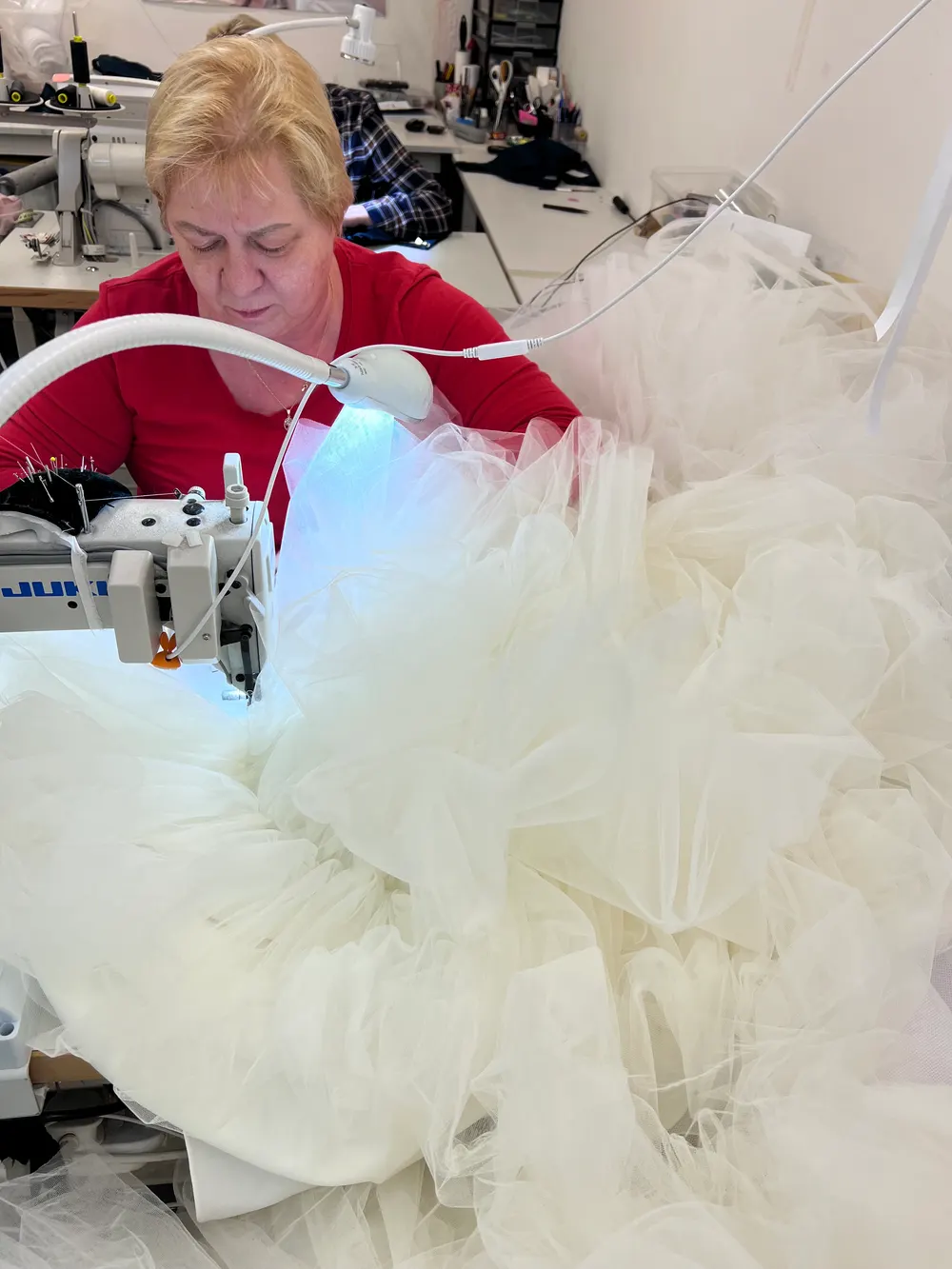
Luxury means precision, not delay. The best product development teams we work with move quickly under real pressure. They handle fittings, fabric sourcing, sustainability checks and last-minute design changes, often across several collections at once, and still deliver on launch day.
In our small production runs, we've seen product development teams and production teams perform what can only be described as miracles. They'll spot a problem with a seam placement on Monday, source an alternative fabric on Tuesday, run a fitting on Wednesday and have samples ready for approval by Friday.
None of that happens alone. It happens in close collaboration with the manufacturer, which is why relationship building matters as much as technical skill. Timelines in luxury fashion keep getting shorter, and the skill isn't in taking more time. It's in making every week of development count.
Myth Two: "It's Purely Creative"
One of the biggest mistakes we see is treating product development as a purely creative process. Good development has administrative work and creative work closely intertwined, and neither works without the other.
Real product development turns a creative vision into something a factory can make again and again, with no compromise on quality. What seems to be a tiny imbalance in a pattern can throw off an entire silhouette, and an experienced developer spots it straight away.
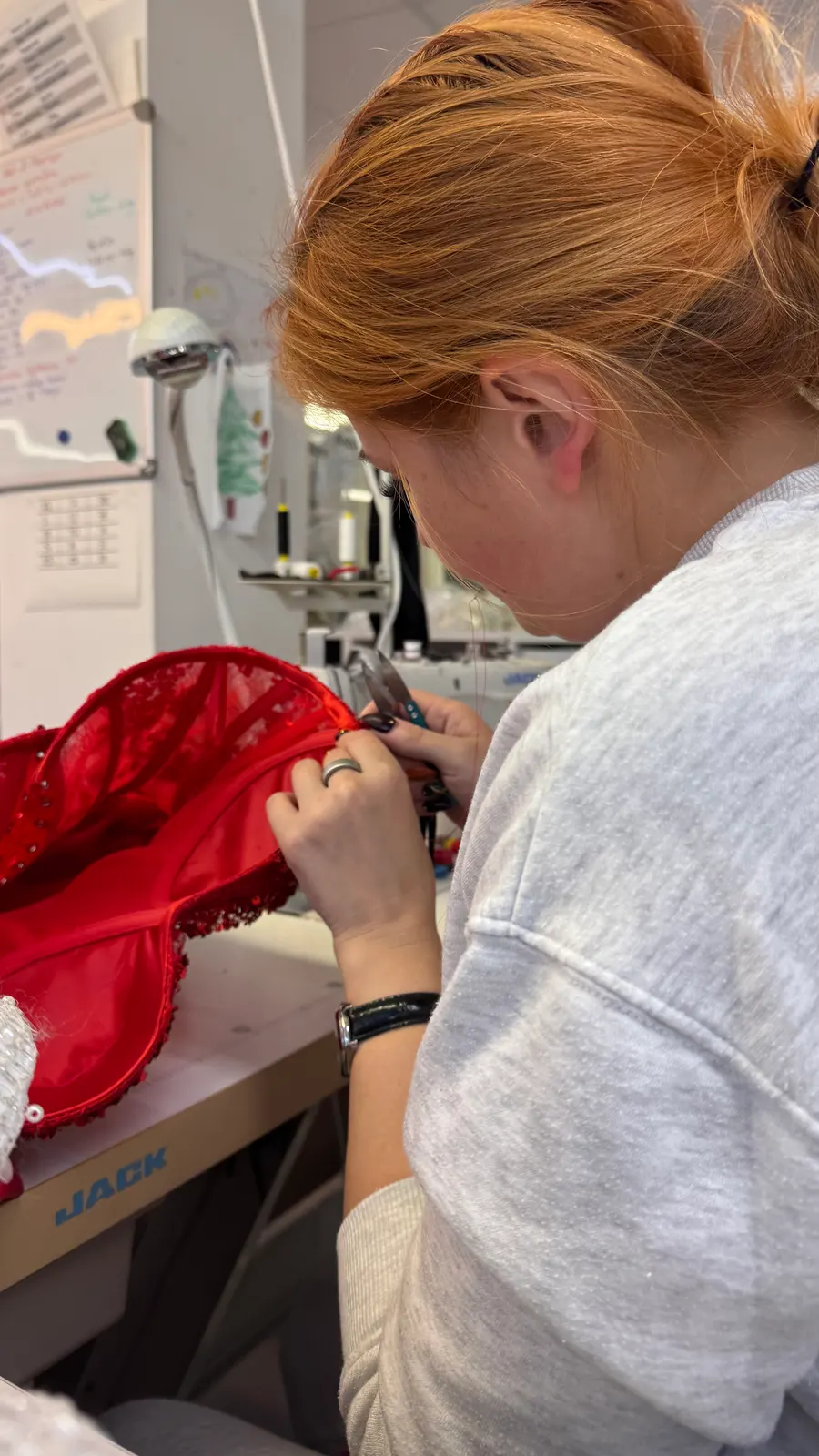
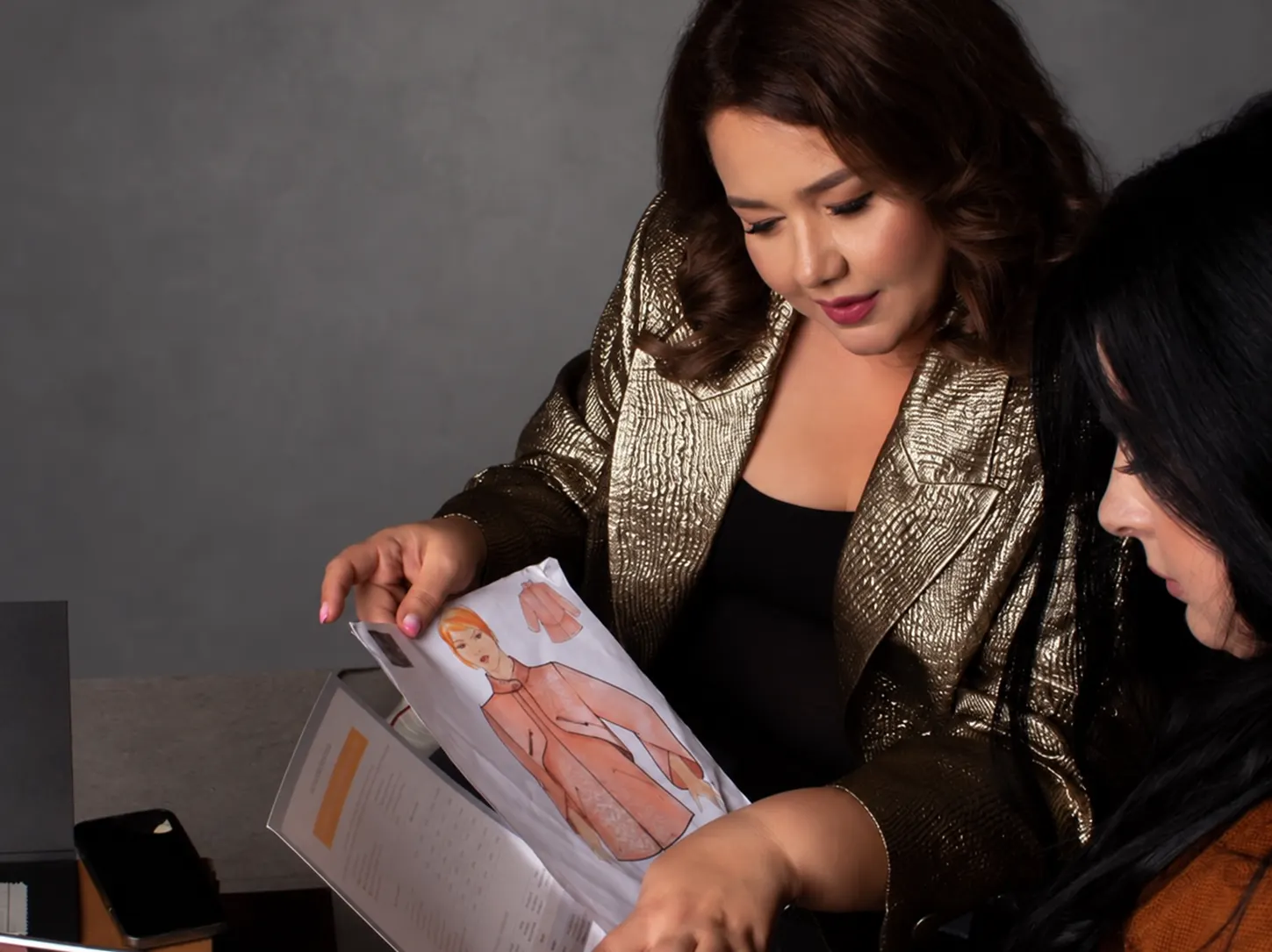
When luxury startups come to us for small batch production, they often underestimate how much technical precision sits behind creative expression. A sketch might show a flowing sleeve or an intricate neckline. The developer has to work out how to achieve it on the machinery available, within budget, and in materials that can be reordered for future runs.
This is where experienced pattern cutting and development specialists earn their place. Getting it right from the start is the difference between a concept that stays on paper and a product that captures the designer's vision and still sells.
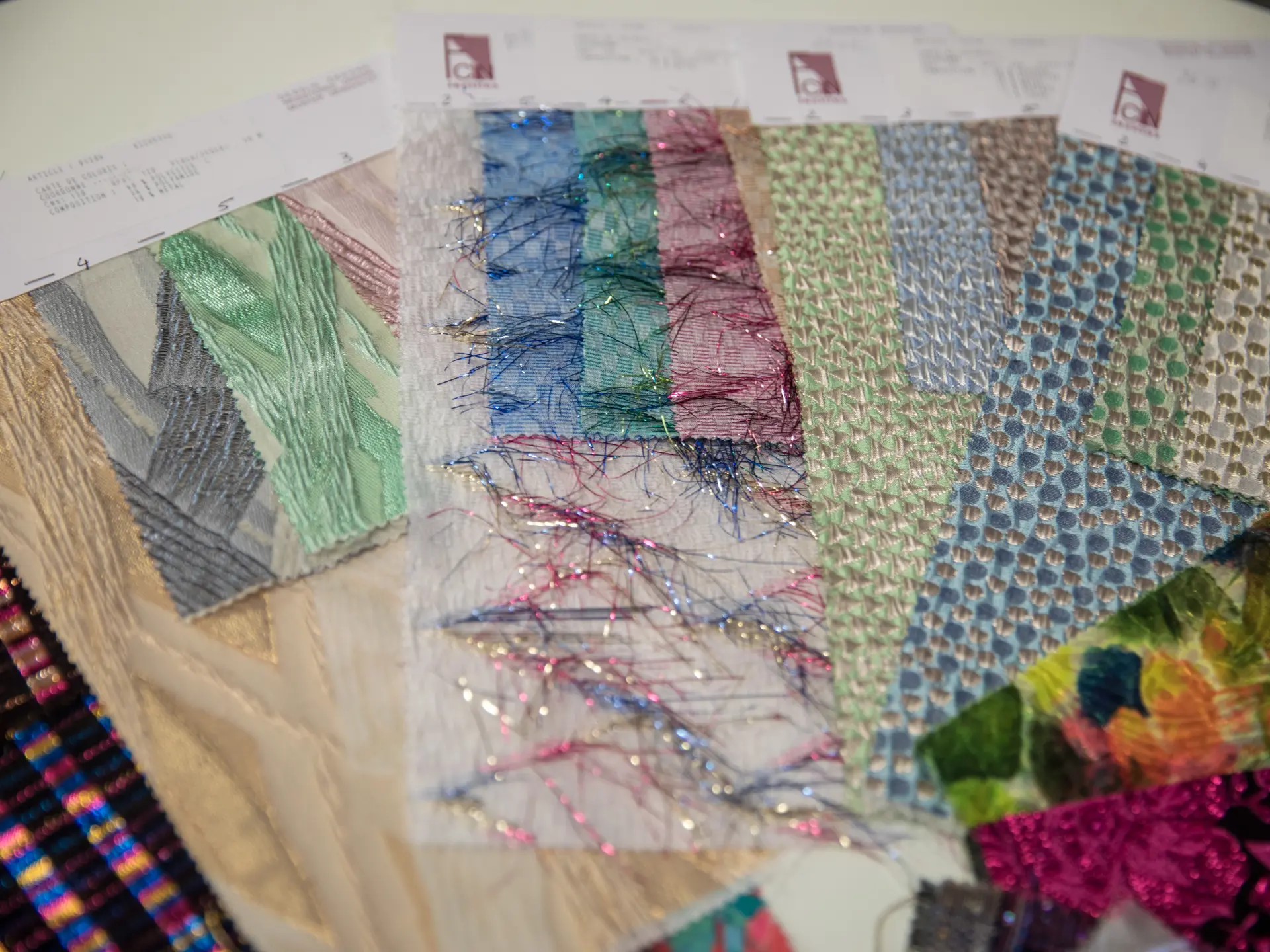
A skilled developer predicts how a fabric will behave under the needle, how hardware will affect the drape, and where quality problems are likely to appear. Then there's the paperwork: tech packs, costings, supplier deadlines and sign-offs. They're part engineer, part artist and part project manager. A brilliant idea doesn't become a great product on its own.
Myth Three: "Manufacturers Can Guess What I Want to Achieve"
Suppliers don't just follow orders. A truly exceptional factory will flag potential issues before you even know they exist, suggest improvements based on its technical expertise, or pull off a miraculous turnaround to save a delivery deadline.
But nobody can read your mind. Not even the best factory in London. You still need a clear idea of the end goal, and clear written instructions, or at the very least a thorough explanation of what you want to achieve.
In our experience of garment production in London, miscommunication at the development stage causes more problems than any technical challenge. Brands that take the time to explain their requirements, from the look they're after to how the garment needs to function, get there faster and end up closer to what they imagined.
This matters even more in small production runs, where there's less room for error and every correction costs money.
How We Approach Every Development Project
We approach every development project with three things in mind.
- It has to wow from the inside out. Every hidden seam and internal finish should meet the same standard as the outside.
- It has to be commercially viable and easy to repeat. Every piece in the production run should match the approved sample.
- Luxury is relative. Most of our clients have a production budget in place, so we keep it in mind throughout development, not just at the costing stage.
The Invisible Architecture of Luxury
Product development is the glue holding design, merchandising and production together when they're all pulling in different directions. Developers balance competing priorities and mediate between creative vision and commercial reality.
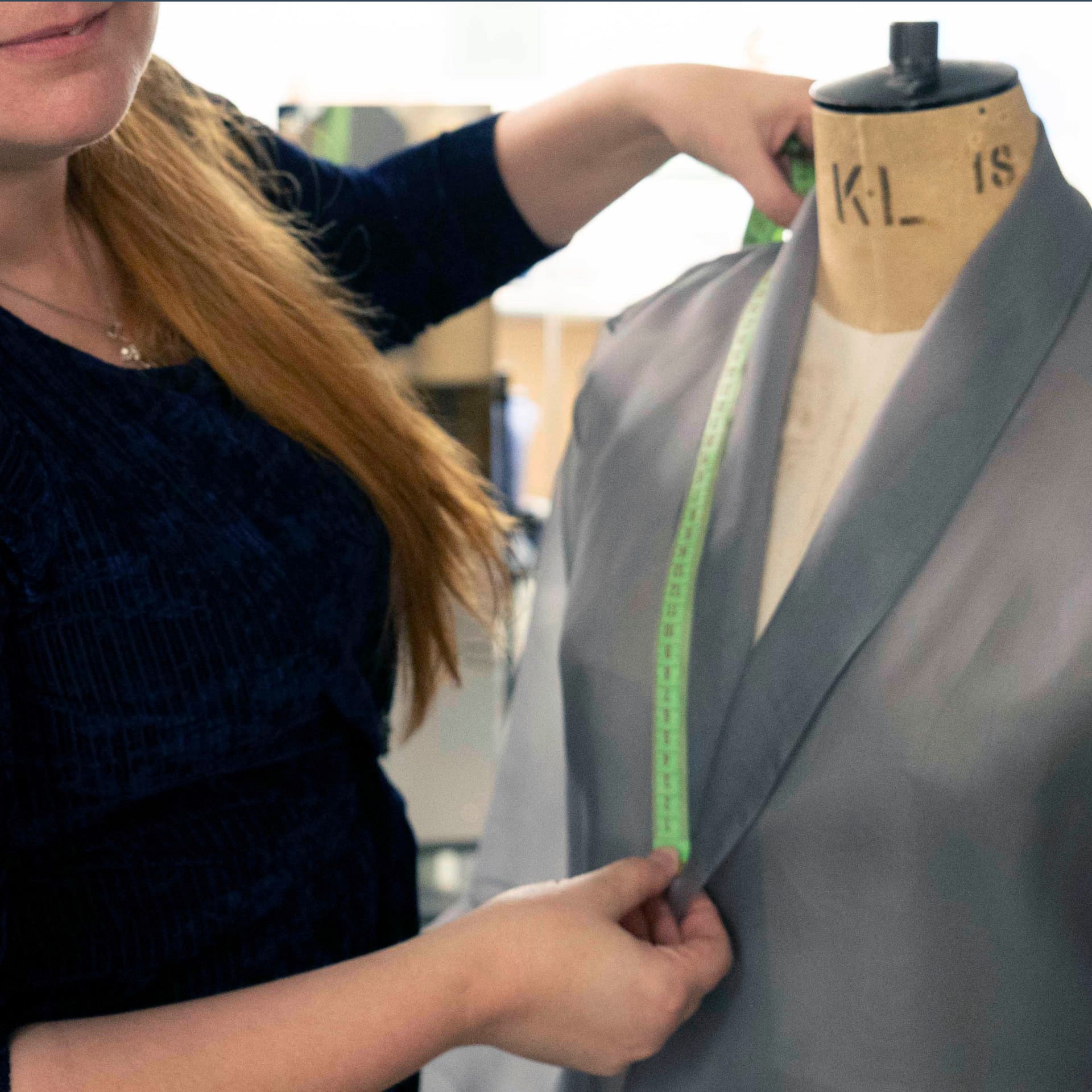
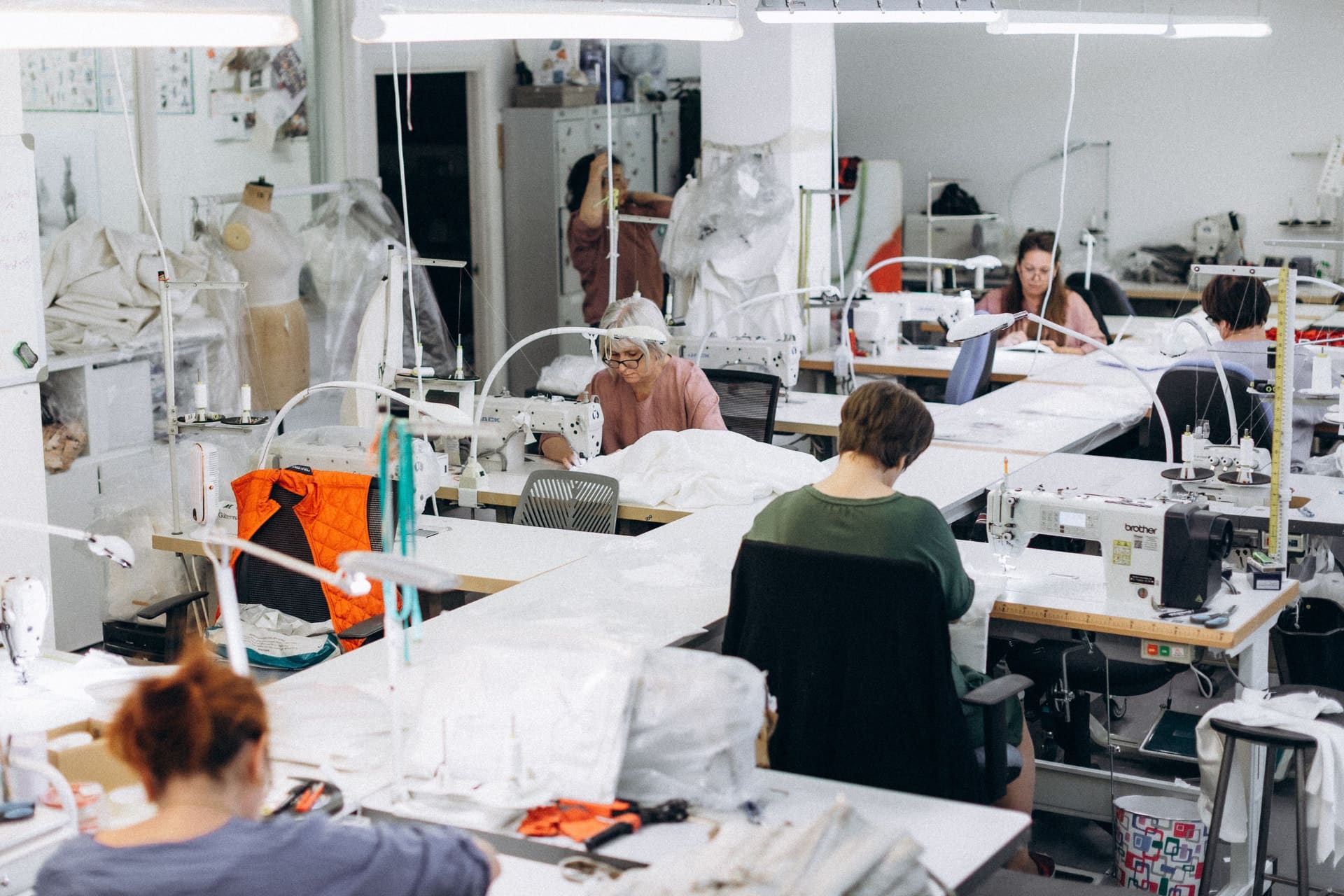
In our London studio, we see it every day. Developers turn fit feedback into technical specifications, brief pattern cutters on design changes, chase fabric suppliers on delivery dates and check every sample against the brand's standard.
For a startup, good product development isn't a cost. It's an advantage. Brands that invest in it deliver better products, meet their launch dates and build a reputation for reliability with customers and stockists.
Recognising Excellence Where It Matters
Here's to the product development teams who make luxury look effortless: the people who turn inspiration into a finished garment and solve problems before they become crises.
The next time you admire a beautifully made piece, remember who made it possible. In luxury fashion, the best work often happens where no one can see it.
Is your collection ready for development?
Take our quiz to see whether CMT Studio is the right fit, and what your next step should be.
Further Reading





Join Our Newsletter
Subscribe and Get 30 Minutes Instead of 15
Sign up for occasional studio updates and resources content. As a thank you, your first Discovery Session is extended to 30 minutes instead of the standard 15.
No spam. Unsubscribe anytime.