From Our Resources
Fabric Sourcing in the UK: Why Small Brands Should Start Locally
Before you book flights to Paris, explore the fabric suppliers closer to home.
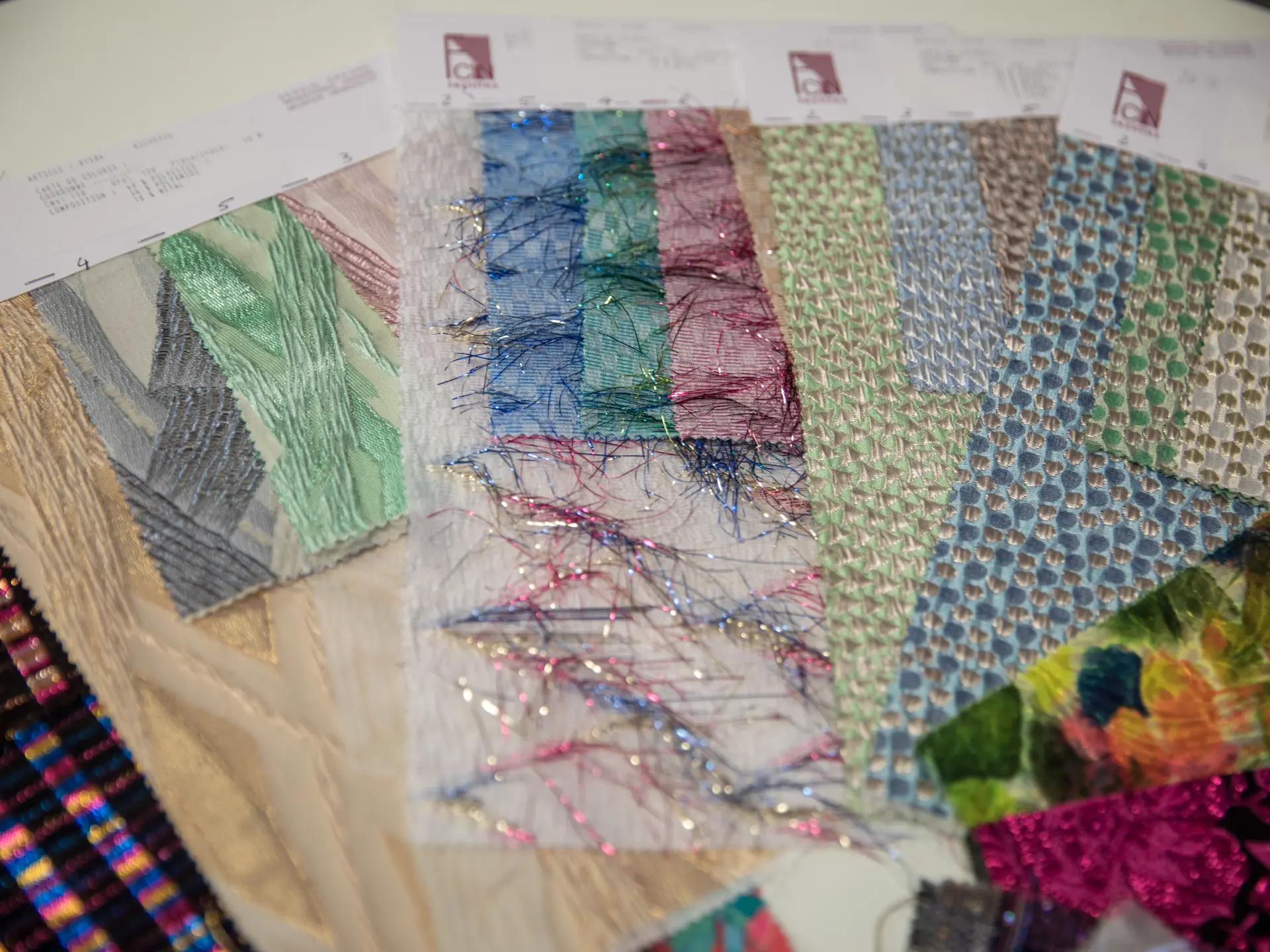
Sourcing fabric you love is one part of designing a collection. Being able to buy it in the quantity you need, within your budget and in time for production is another.
For an independent designer developing a small collection, that search can take weeks. Exhibitions seem like the obvious answer: suppliers gathered under one roof, samples ready to handle, and people available to answer your questions.
According to 4Textile's trade fair directory, more than 500 apparel and clothing trade fairs take place each year across over 50 countries. You would think we would be spoilt for choice. Yet finding the right suppliers for a particular collection can still be a challenge.
Première Vision is a familiar name, and it is easy to understand why so many designers head to Paris. It can be a valuable opportunity to discover fabrics, meet suppliers and explore ideas for future collections. The next Première Vision Paris takes place on 26–28 January 2027.
But, as with anything, getting the most out of an exhibition takes experience. At a show that size, it is easy to feel overwhelmed and lose focus. It has happened to me a couple of times too. There is so much to see that you can spend hours exploring and still leave without answers to the questions you came with.
Before booking flights and a hotel, I would start by looking at what is available closer to home. Meeting local suppliers can help you understand your options, practise asking the right questions and become clearer about what your collection needs. That experience will also help you make better use of a larger international exhibition when you do go.
Start with suppliers who can support your order size
A beautiful fabric is only a workable choice if you can actually buy and use it.
Before getting attached to a particular cloth, find out the minimum order per fabric and colour, whether it is held in stock, and how quickly sampling and production quantities can be supplied.
For a small collection, a supplier who can sell you a few metres for development and support a modest production order can make the process much easier.
Local does not automatically mean low minimums or immediate availability. UK fabric suppliers may also need to order materials from overseas. Ask where the stock is held and what is available now, rather than assuming that a nearby showroom means a nearby warehouse.
The advantage is having the opportunity to find suppliers whose service fits the way your business works.
Let your supplier and manufacturer contribute
Fabric suppliers know their collections. With all my experience, I still listen carefully to their advice. They can explain the differences between qualities, suggest alternatives and help you understand availability.
Your pattern cutter and manufacturer bring another perspective: how that fabric will work in your particular garment.
A fabric that looks perfect on a swatch card still needs to be tested with your intended construction. How will it behave with the lining and interfacing? Will the seams, structure and finish give you the result you want?
Bring those conversations together early. Show your supplier what you are trying to make, then give your manufacturer enough fabric to assess and sample it before committing to the production order.
A small purchase at this stage can help you make a much better decision about the larger one.

Look beyond the price per metre
When comparing suppliers, it is easy to concentrate on the fabric price and overlook the cost of getting it into your studio.
Swatches, sampling metres and production orders may each involve separate shipping charges. Overseas visits add travel and accommodation. Depending on where you buy, there may also be import costs and administration to consider.
A saving per metre can become less attractive once those costs are spread across a small order.
I have had my fingers burnt working with a supplier based far from the studio. It was not a fabric purchase, but the difficulties will sound familiar to anyone who has managed remote sourcing: delays, miscommunication and costs that only became clear later.
That experience made me more careful about checking the whole arrangement before committing. Price matters, but so do communication, reliability and the practicalities of putting something right.
Build relationships before you urgently need them
One benefit of sourcing locally is the opportunity to get to know the people behind the business.
Fabric suppliers spend their working lives talking to designers, manufacturers and other suppliers. They may be able to recommend someone for a specialist process, suggest an alternative when a fabric is unavailable, or point you towards a useful industry contact.
Those relationships develop through conversations and repeat business. Explain what you are making, be realistic about your quantities, and keep suppliers informed when your plans change.
Strong relationships can certainly be built internationally too. For a new brand, though, being able to visit, handle samples together and return with questions can make the first steps more manageable.
What to ask before you commit
Whether you are visiting a local showroom or an international exhibition, take a clear sourcing brief with you.
You do not need every detail of your collection finalised, but you should be ready to discuss:
- Your garment: what you are making and the qualities the fabric needs.
- Your quantities: sampling requirements and expected production metres, broken down by colour.
- Your dates: when you need sampling fabric and when bulk materials must reach your manufacturer.
- Availability: what is in stock, what needs ordering and whether stock can be reserved.
- Repeat orders: whether the fabric is part of an ongoing collection or a limited quantity.
- The full cost: sampling charges, delivery and any small-order surcharges.
- Technical information: composition, usable width, weight, care guidance and available test information.
Keep a record of the answers alongside the fabric reference and supplier contact. After several conversations, it becomes surprisingly easy to remember the cloth and forget the conditions attached to buying it.
Plan your lead times before you order
A fabric can suit your design and budget perfectly, but its delivery date still needs to work with your production schedule.
Before committing, discuss when sampling materials will be available, when bulk fabric and trims can reach your manufacturer, and how those dates fit around development, approvals and production.
Our Garment Production Lead-Time Checklist can help you prepare for those conversations. Use it alongside your sourcing notes to connect your material choices with the dates your collection needs to meet.
A sourcing opportunity closer to home
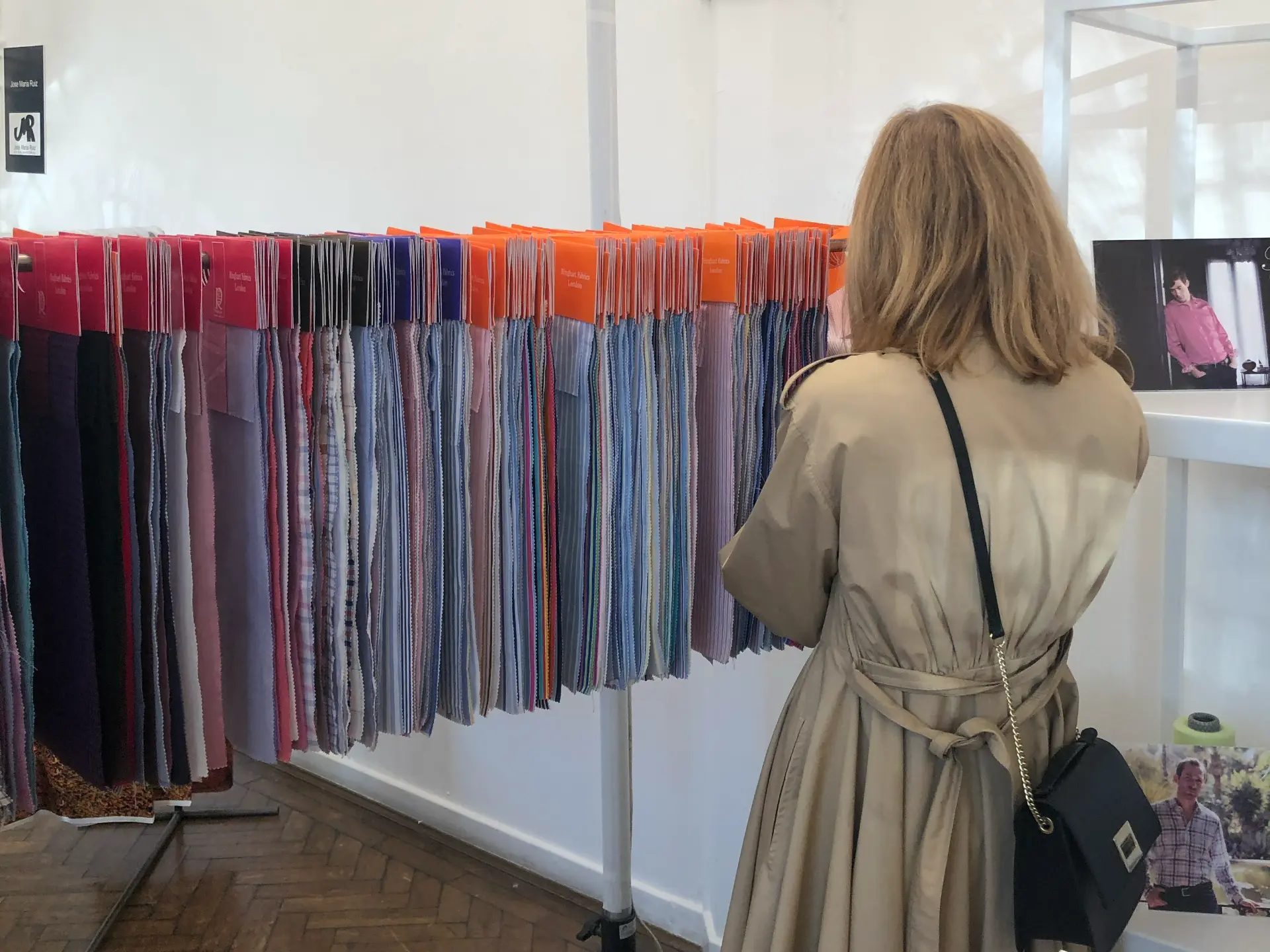
The Luxury Fabric Show takes place on 14–15 October 2026 at The Box Office Studio in Shoreditch, London.
The show brings together British fabric and accessories suppliers and advertises minimum orders starting from one metre. Individual terms depend on the supplier and fabric, but this makes it particularly relevant to designers exploring smaller orders.
I will be speaking alongside Carlotta Gherzi across three sessions: Wednesday 14 October at 3pm, and Thursday 15 October at 9am and 11am. It will be lovely to meet designers, hear about their collections and share the manufacturing perspective on the decisions that come before production.
Visitor information and tickets are available on the show's website.
Make your next sourcing trip count
Start with a clear idea of your quantities, budget and delivery dates. Explore the suppliers within reach, ask questions and give yourself time to test materials before committing.
You may find exactly what you need locally. You may decide that an international exhibition is your next step. Either way, you will be better prepared to make the visit worthwhile.
Before your next sourcing visit, download our Garment Production Lead-Time Checklist to help you prepare for conversations with suppliers and your manufacturer.
Founder, CMT Studio
Published 26 September 2026
Share This Article
Further Reading



Join Our Newsletter
Subscribe and Get 30 Minutes Instead of 15
Sign up for occasional studio updates and resources content. As a thank you, your first Discovery Call is extended to 30 minutes instead of the standard 15.
No spam. Unsubscribe anytime.