From Our Resources
Clothing Brand Lead Times: 7 Steps to Faster Repeat Orders
Part 2 of 2. Part 1: Six-Week Production Lead Times: What Startup Fashion Brands Can Learn
The quickest way to shorten your clothing brand lead times isn't to rush your first collection. It's to make sure you never have to develop the same garment twice.
In Part 1, we looked at H&M's six-week lead times and why a startup brand shouldn't try to match them. This part is the practical side. If your first order took months, here's how to make sure the next one doesn't.
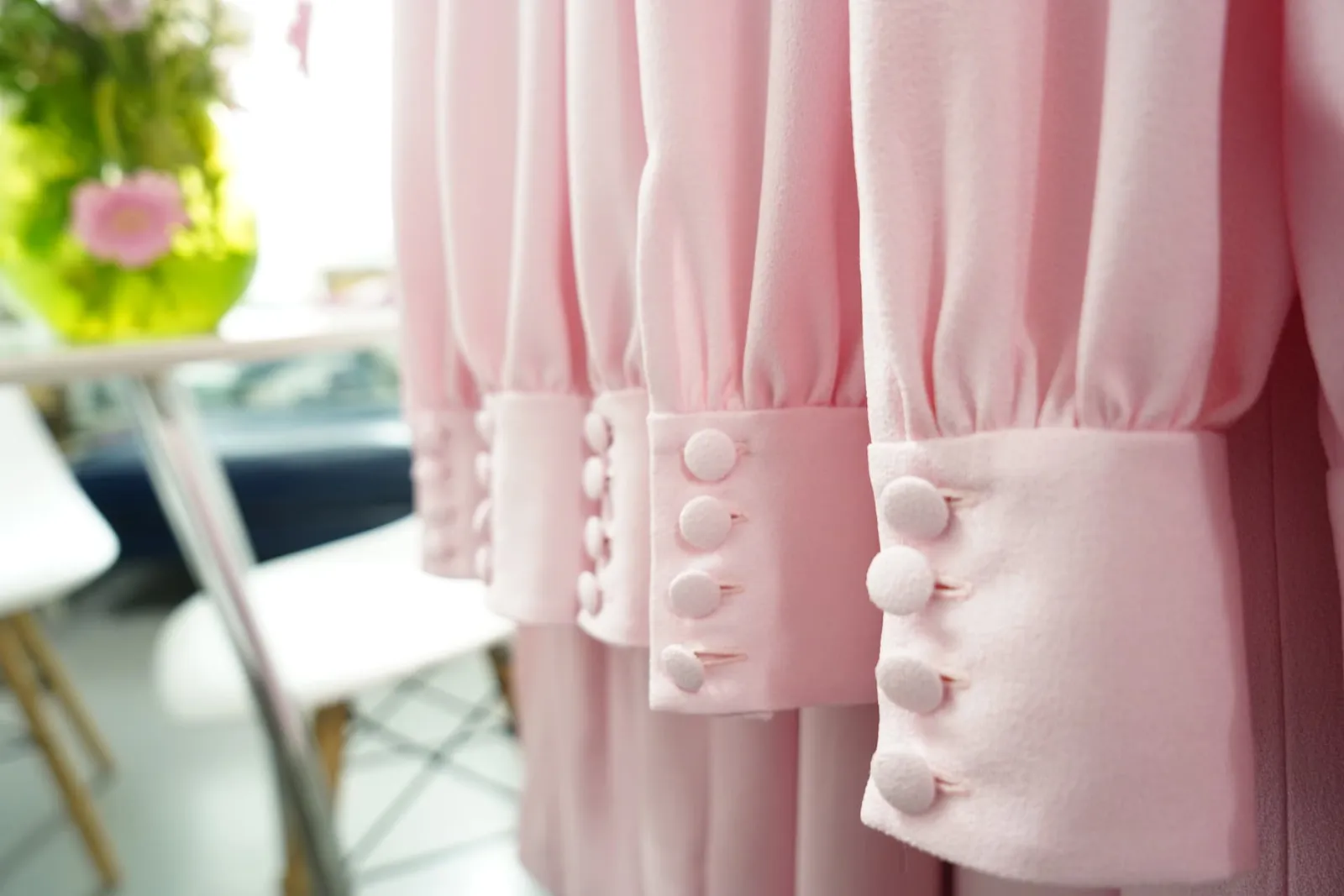
First Order vs Repeat Order: Where Your Lead Time Goes
In Part 1, we said a first order carries two jobs: developing the product and manufacturing it. There's a third, and it's rarely mentioned: the learning curve. You're learning how your garments behave in production, and your manufacturer is learning how you work. It has a huge effect on both the length of your first order and the result.
A repeat order should carry only one job: manufacturing.
In practice, it rarely works that way. A style sells out, the founder calls the factory, and the questions start. Where's the final pattern? Which version of the sleeve did we approve? Is that silk still available? Who supplied the buttons? Every unanswered question sends part of the garment back into development, and the repeat you hoped to have in stock next month drifts into next season.
| First order | Repeat order, done well | |
|---|---|---|
| Pattern | Developed and corrected | Final version on file |
| Fit | Tested over two or three toiles | Already approved |
| Fabric | Sourced and tested | Reordered from the same supplier |
| Trims | Chosen and sampled | Listed with codes and suppliers |
| Main work | Development, manufacturing and learning | Mostly manufacturing |
The seven steps below are what turn the left column into the right one.
Step 1: Build and Approve Your Blocks
A block is your brand's base pattern: the bodice, skirt or trouser shape that every new style grows from. Get it right once and each new design starts from a proven fit rather than a blank sheet.
Brands without approved blocks develop every style from scratch, and each one needs its own full round of fittings. Brands with them can often skip a round on new styles, because the fit questions were answered the first time. Across a year of launches, that adds up to weeks.
Step 2: Resolve the Base Size Before Grading
Grading copies your base size across the size range. If the base size isn't right, the fault travels into every size with it, and you pay to fix it five times instead of once.
Sign off the fit on your sample size first, then grade. Measure twice, cut once is the oldest rule in the trade, and it matters more here than almost anywhere. At CMT Studio, grading goes to our sister studio, Pattern Cutting Studio, once the base fit is approved.
Step 3: Keep a Complete Tech Pack and Bill of Materials
A tech pack tells the factory how to make the garment. A bill of materials, or BOM, lists everything that goes into it: main fabric, lining, interfacing, thread, zips, hooks and labels, with the quantity used per garment.
One of the most common misconceptions about tech packs is that they're written once and never touched again. Update both every time something changes during sampling. The version on file should match the garment you approved, not the one you started with.
Keep your own copy of the final pattern and tech pack, too. If the only full record lives in one person's head, your repeat order depends on that person being free the week you need it.
Step 4: Choose Continuity Fabrics Where You Can
A continuity fabric is one the mill keeps in stock season after season. Plenty of fabrics are one-off runs. When they're gone, they're gone.
If a style has any chance of becoming a bestseller, make it in a fabric you can reorder. Save the limited runs for hero pieces, where scarcity is part of the appeal. Before you commit, ask the supplier two questions: is this a stock line, and how long does a reorder usually take?
Step 5: Document Every Trim and Supplier
Trims cause more repeat delays than most founders expect. A button gets discontinued. A zip arrives in a slightly different shade. A lace you sourced in a week now has a twelve-week wait.
For each trim, record the supplier, product code, colour reference and price. Keep a physical card of approved trims in the studio. When the repeat comes round, you're reordering from a list rather than hunting through old emails.
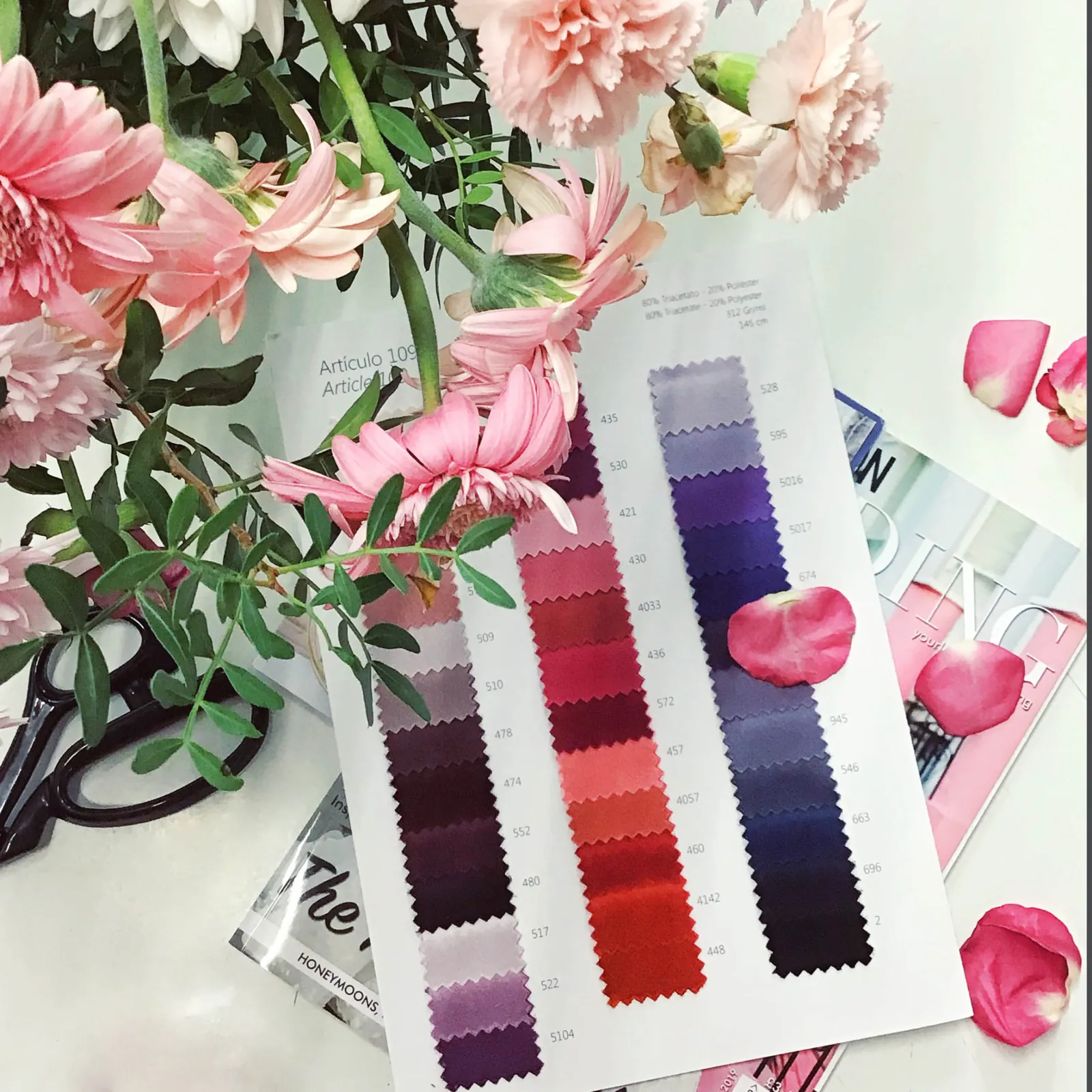
Step 6: Launch Small and Track What Sells
You can't repeat a bestseller until you know which style it is. A small first run lets your customers tell you, without tying up cash in stock that doesn't move.
Our small batch production starts at 4 pieces in one colour across 2 sizes, and goes up to 150 pieces per style. That range lets you test a style first, then scale the winners.
Track sell-through by style, size and colour. Within the first month or two of sales, you'll usually see which pieces have earned a repeat and which sizes ran out first.
Step 7: Stay With a Manufacturer Who Knows Your Product
Switching factories to save a few pounds per piece resets the clock. A new manufacturer has to learn your construction, your quality standard and your fit, and that almost always means another sample round.
A studio that has already made your garment knows where the tricky seams are and how your fabric behaves under the needle. That knowledge is worth more than the saving, with one exception. If the quality isn't there, move on, and take your full documentation with you.
One of our clients is very clever with his wholesale deliveries. His principle is to deliver to stores as soon as the delivery window opens. That gives his pieces a longer sell-through period, with less chance of stock sitting unsold and ending up in the sale.
The strategy works so well that he often gets repeat orders at the time other brands are only just delivering their first major order. Because everything is already developed and the fabric is bought from stock, we can turn his repeats around within two weeks.
Before You Place a Repeat: A Five-Minute Check
Run through these before you contact your manufacturer. Every "no" is a delay you can fix now, while you're not under pressure.
- Do you have the final approved pattern, in every size?
- Does your tech pack match the approved sample?
- Is your BOM complete, with quantities per garment?
- Is the main fabric still available, and how long is the reorder?
- Are all trims listed with supplier, code and colour reference?
- Do you know which sizes and colours sold out first?
If you can answer yes to all six, your repeat is mostly a manufacturing job.
Not Everything in Your Collection Needs to Be Fast
Your hero evening dress may need months of careful development every season. Your bestselling trouser in a continuity fabric could become something you reorder in a fraction of that time. Both can sit in the same collection, and they should.
That's the principle behind H&M's six weeks, scaled down to a brand your size. Develop properly once. Then build the records, relationships and habits that let you respond the moment a style takes off.
Planning your first order, or your first repeat?
Take our quiz to see whether CMT Studio is the right fit for your collection.
Prefer to talk it through? Book a complimentary Discovery Call
Share This Article
Further Reading


Join Our Newsletter
Subscribe and Get 30 Minutes Instead of 15
Sign up for occasional studio updates and resources content. As a thank you, your first Discovery Call is extended to 30 minutes instead of the standard 15.
No spam. Unsubscribe anytime.