From Our Resources
Your First Meeting With a Clothing Manufacturer: What to Know
What manufacturers actually notice, and the mistakes that cost designers the partnership.
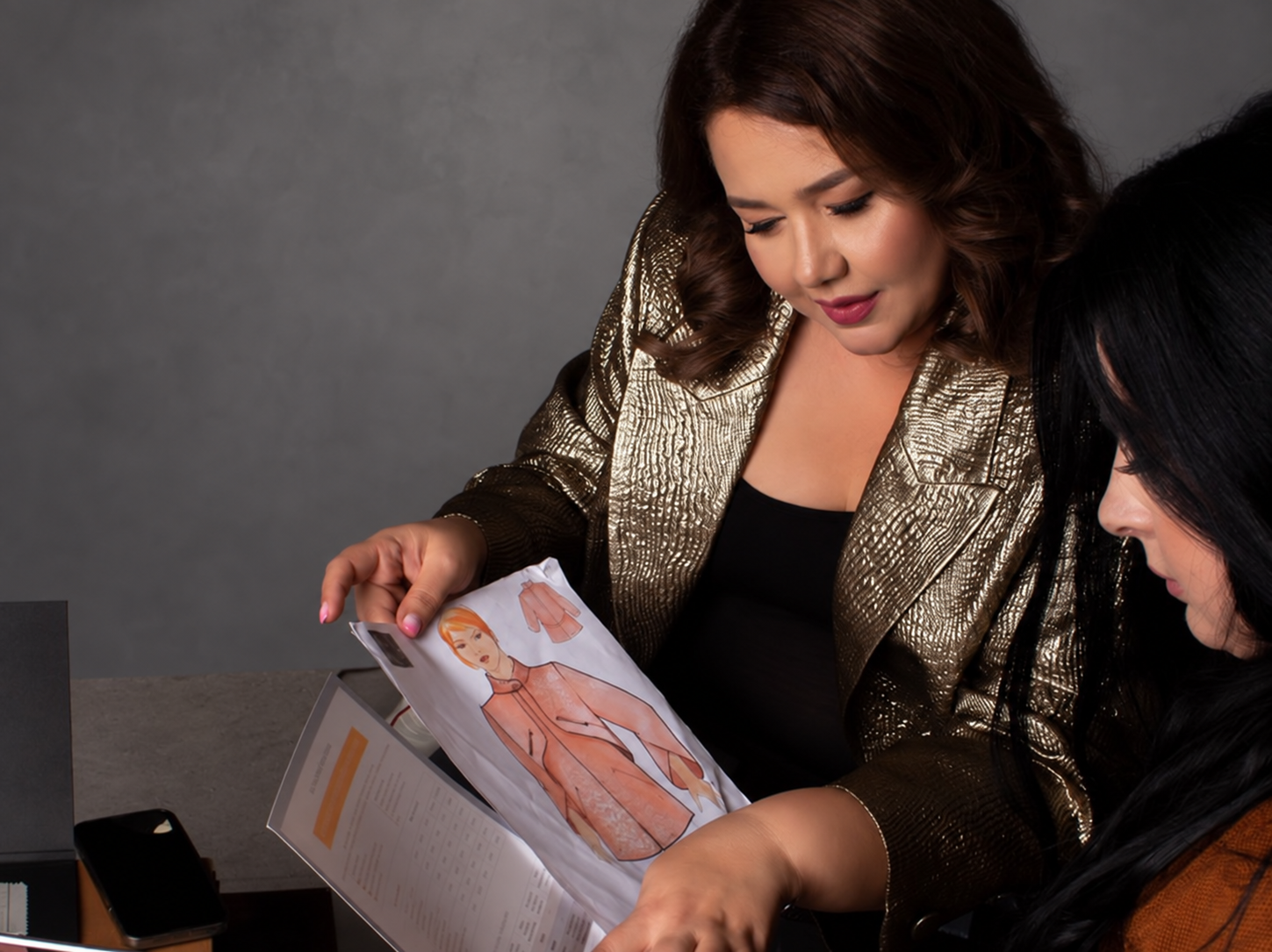
I've spent over twenty years in the fashion industry, and here's something I can tell you for certain: even the most experienced designers get nervous before their first meeting with a clothing manufacturer. That's completely normal. This meeting is a big deal. You're sharing your creative vision, the designs you've poured your heart into, with someone who could help shape your collection's future. It's part first date, part job interview, with your dreams sitting on the table.
But this meeting is about more than showing off your designs. It's your chance to start building a partnership that could become central to your fashion career. How you handle it can shape the whole working relationship that follows. Get it right, and you might come away with more than a manufacturer: you'll have found a partner who's genuinely invested in your success.
First Things First: Don't Be Late!
Here's something you might not expect: in manufacturing, being late isn't just a bad look. It can end the deal before it's begun. Time is money for manufacturers, plain and simple. When they set aside time to meet you, they're often pausing work on the factory floor, shifting team meetings, or rearranging their whole day just to fit you in.
Ever had someone turn up late to an important meeting without so much as a message? Doesn't feel good, does it. It's even more serious in manufacturing. Traffic happens. Trains get delayed. Life gets in the way sometimes. But if you're running late, always let them know, a quick text or email goes a long way. If a manufacturer sees you can't manage punctuality for one meeting, they'll start wondering how you'll handle production deadlines down the line.
Be Prepared, But Don't Overwhelm
Preparation is everything here. I've watched talented designers miss out on real opportunities simply because they walked in unready. It's genuinely disheartening, watching someone lose their shot over materials they could easily have brought along. A handful of essentials is often all it takes to make a meeting productive from the first minute.
Here's what you need to make every minute count:
- Clear design direction: bring detailed tech packs for finished designs, or mood boards and sketches for new ideas, but keep things focused. Show only the pieces that matter most to your discussion. This meeting isn't a fashion show, it's about starting a useful conversation.
- Fabric swatches: these are essential, they form the base of your garment. Bringing real samples helps prevent confusion about materials or finishes.
- Sample designs or prototypes, if you have them. They don't need to be perfect. They're just there to start the conversation.
- Patterns, if they're ready. The manufacturer may want to review them.
- A focused list of key questions: make them clear and specific to what the manufacturer can actually do.
- Brief research about their expertise: learn enough to have a good conversation, but let them tell you about their strengths.
One thing worth sorting before you even pick up the phone: know what type of manufacturer you're walking into. The worst thing that can happen is turning up to someone who simply isn't your type, wrong model, wrong specialism, wrong fit for what you're making. CMT and fully factored manufacturers work in very different ways, and knowing the difference before your meeting saves everyone's time. We've broken it down here: CMT vs Fully Factored: What's the Difference?
Remember, this first meeting is about starting a professional relationship, not getting design feedback. Manufacturers value designers who present their ideas clearly and efficiently. It shows you respect their time and understand this is a business discussion.
The Art of Taking Technical Input
When manufacturers suggest a different way to achieve your vision, they're often not trying to limit your creativity at all. They're sharing technical expertise you don't have. Here's the important bit: learn to spot the difference between genuinely helpful advice and someone who just doesn't want the extra hassle. A manufacturer who says no to everything, with no alternatives offered, that's a warning sign. One who suggests changes that improve construction or lower costs while keeping your design's intent intact? That's exactly the kind of input you want.
For example, a good manufacturer might say, "This seam placement could cause puckering in production. If we move it half an inch and adjust the angle, we can achieve the same look but with better quality and lower production time." They aren't interfering with your creative vision. They're using their technical skills to make your design easier to produce while keeping its original style.
The designers who do well understand this distinction instinctively. Manufacturing input isn't interference with creativity, it's the marriage of great design and technical skill. So when a manufacturer suggests a way to lower costs or improve construction while keeping your design's essence intact, that's not laziness. That's exactly the expertise you're paying for.
The Ethical Eye
Let's discuss something important, even if it feels a little uncomfortable: the ethical side of manufacturing. Your first visit isn't just for talking about designs and costs. It's also your chance to see whether the facility matches your values.
You don't need to be an investigative journalist, but keep your eyes and ears open. Pay attention to the overall vibe of the place:
- How do the workers interact with each other and their supervisors?
- Is the workspace well-lit and properly ventilated?
- Does the facility look organised and well maintained?
- Are there proper safety measures in place?
- How's the energy on the production floor?
If you want a proper framework for what to look for, rather than just going on gut feel, the Ethical Trading Initiative is worth a look.
Many new designers don't realise that these observations are about more than just ethics. A well-run, ethical facility often means better quality control, more reliable timelines, and better garments. Workers who are treated well and work in good conditions are more likely to handle your designs with care and attention.
Think about it: if a facility treats its people well, chances are it'll treat your business with the same respect and professionalism.
Building Relationships That Last
Over the years, I've learned that a first meeting is never just about quotes or technical details. It's the start of something that could last for years. Quite a few designers I've worked with have become close friends, long after they outgrew my facilities and moved on to bigger production runs elsewhere. We're still in touch. We still support each other. Not always, I'm not saying every designer ends up friends with their manufacturer, but you never know what a good relationship might bring. Think of it as the start of something genuinely long term.
Think of meeting a manufacturer a bit like a first date. You wouldn't start discussing a joint mortgage over the starter course, so don't jump straight into asking for discounts or special treatment either. Instead, be open about your current scale and your growth plans, listen more than you talk, and show genuine interest in what they do well. That approach sets the right tone and does more for a lasting partnership than any negotiating tactic.
And here's the best part, there's genuinely nothing wrong with admitting what you don't know. No one expects you to know everything already. What matters is showing you're willing to learn.
Just remember: asking for rock-bottom prices straight away, or trying to place a rush order before you've even sourced your fabric, will raise eyebrows fast. Manufacturers want to invest their time, money, and skills where they can see a lasting relationship forming.
The Bottom Line
You've probably heard the old saying: you never get a second chance to make a first impression. In manufacturing, that's doubly true. That first meeting isn't just a casual chat. It's your chance to show who you are as a designer and business person. It's where your ideas start to become real garments.
Think about it: every successful fashion brand started with an important first meeting. The designer walked into a manufacturing facility, just like you will, probably feeling both excited and nervous. The difference between those who succeeded and those who didn't often came down to how they handled that first impression.
Remember everything we've discussed: be on time, come prepared but not overloaded, stay open to technical advice, observe the facility, and approach the relationship with respect and honesty. These aren't just nice extras, they're your toolkit for success.
Here's one last piece of advice from years in this industry: manufacturers aren't just service providers. They can become co-authors of your success story. The right manufacturer will not only make your clothes, but also celebrate your wins, help you through challenges, and maybe even become a trusted friend.
So take a deep breath, gather your materials, and walk into your first meeting with confidence. You're not just starting a business conversation. You might be beginning a partnership that could shape your fashion journey for years.
After the meeting, take a moment to send a brief thank-you note or a quick recap of the discussion. This small gesture shows professionalism, helps reinforce your interest, and keeps the momentum going as you move forward together.
Want to walk in fully prepared? We've put together a free checklist covering everything in this article, what to bring, what to ask, and what to leave at home.
If you'd like to see whether we're the right manufacturer for your project before you book anything, take our two-minute fit quiz.
Founder, CMT Studio
Published 21 September 2026
Share This Article
Further Reading
Resources · CMT Studio
What Nobody Tells New Brands About Cash Flow Before Production Starts
The gap between a balance that looks fine and one that actually is, and what we've learned from standing on both sides of it.
Resources · CMT Studio
CMT or Fully Factored? How to Choose the Right Production Route for Your Brand
Get this decision wrong at the start and it costs more than money. It costs months.
Resources · CMT Studio
Why Minimum Order Quantities Exist, and Why Ours Stays Low
What actually sits behind a factory's MOQ, and why the CMT model lets ours stay at four pieces per style.
Join Our Newsletter
Subscribe and Get 30 Minutes Instead of 15
Sign up for occasional studio updates and resources content. As a thank you, your first Discovery Call is extended to 30 minutes instead of the standard 15.
No spam. Unsubscribe anytime.